


Dr. Natalie Crawford: Female Hormone Health, Fertility & Vitality


In this episode, my guest is Natalie Crawford, MD, a double board-certified physician specializing in obstetrics and gynecology, fertility and reproductive health and host of the “As a Woman” podcast. We discuss female hormones, nutrition, supplementation, reproductive health, and fertility, including how the timing and duration of puberty impact a woman’s long-term hormone cycles and menopause. We also discuss the pros and cons of various birth control methods and how hormonal vs. non-hormonal birth control each affects fertility. We cover the factors that impact egg and sperm quality and how to leverage timing for conception. We also discuss procedures to assess female fertility, including egg count and hormone testing, the process of egg freezing, in vitro fertilization (IVF) and other reproductive options. This episode represents fairly comprehensive coverage of female hormones and reproductive health, highlighting important tests and screening, behavioral, nutritional, supplement and prescription-based tools that women of any age can use to improve their fertility, hormone function and overall health.
Articles
- Oral contraceptive use in women changes preferences for male facial masculinity and is associated with partner facial masculinity (Psychoneuroendocrinology)
- Intake of protein-rich foods in relation to outcomes of infertility treatment with assisted reproductive technologies (The American Journal of Clinical Nutrition)
Other Resources

About this Guest
Dr. Natalie Crawford
This transcript is currently under human review and may contain errors. The fully reviewed version will be posted as soon as it is available.
Andrew Huberman:
Welcome to the Huberman Lab podcast, where we discuss science and science-based tools for everyday life. I'm Andrew Huberman, and I'm a professor of neurobiology and ophthalmology at Stanford School of Medicine. My guest today is Dr. Natalie Crawford. Dr. Natalie Crawford is a medical doctor specializing in obstetrics and gynecology, reproductive endocrinology, and infertility. She also holds a degree in nutrition science. Dr. Crawford runs a clinical practice, seeing patients daily, as well as being actively involved in public education, both through social media and through her popular podcast entitled "As a Woman." Today, Dr. Crawford teaches us about all aspects of female hormones and hormone health and fertility, beginning as far back as in utero, when we were still in our mother's womb, and extending as far forward as menopause. We discuss topics such as the timing of puberty and what the timing of puberty in girls means for their fertility. And we discuss birth control, both hormonal and non-hormonal forms of birth control, and how birth control may or may not relate to long-term fertility and different aspects of female health. We also talk extensively about measuring fertility, that is egg count. We also talk about egg retrieval, AKA freezing one's eggs, as well as in vitro fertilization. And we also take a deep dive into the popular and important topics of nutrition and supplementation as they relate to fertility, as they relate to pregnancy, but also how they relate to female hormone health generally. Indeed, Dr. Crawford provides us with a master class on female hormones and fertility, one that I know that all women ought to benefit from and that men would benefit from listening to as well. Before we begin, I'd like to emphasize that this podcast is separate from my teaching and research roles at Stanford. It is, however, part of my desire and effort to bring zero cost to consumer information about science and science-related tools to the general public. And now for my discussion with Dr. Natalie Crawford. Dr. Crawford, welcome.
Dr. Natalie Crawford:
Thank you so much for having me. I'm honored to be here.
Andrew Huberman:
Well, I've been paying attention to your content for a long time, and I find it to be incredibly clear, informative, and for many people, actionable. So today, I'd like to talk about both fertility and, of course, hormones. But as we both know, fertility is not limited to a discussion about hormones. It actually relates to things like behaviors.
Dr. Natalie Crawford:
Yes.
Andrew Huberman:
Sex behaviors and other behaviors, nutrition, supplementation. So we'll get into all of it. But if we could just back up developmentally and talk a little bit about female puberty, because I think pretty much everything we'll talk about today is related to what happens puberty forward, mostly in females, but we will also discuss male fertility and hormones a bit. And the question I have is, is there anything about a woman's timing or, let's just say, patterns of puberty, right? How frequently they menstruate early on, what the timing of menstruation is, in terms of their age, et cetera, that provides hints or maybe even facts or directives about her future fertility or how long her fertility might last?
Dr. Natalie Crawford:
This is a great question, and I think defining some terminology before we begin is helpful. So if we go all the way back to when you're a fetus inside your mom, so when there's a female fetus inside her mom, you have the most eggs you're ever going to have at about 20 weeks gestation. You have about six to seven million eggs. By the time you're born, you've already lost more than half of those, and you continually lose eggs all the time. So the analogy that I always use, and you do too, is imagining that there's a vault inside the ovary where all your eggs are kept, and every single month, since the moment you have an ovary, you lose a group of these eggs. And when there's more inside, you're losing more. So you're losing all of these eggs throughout early fetal development and then up until the time period even of puberty. When you reach puberty, you have a lessening of the number of eggs in your ovary to the point where it can start to respond to the signals from the brain. So when we think about puberty onset in females, first we have really thelarchy, which is the development of breasts. So that happens about two years on average before you have menarche, which is your period starting. So what happens is the brain, as we know from the hypothalamus, sends out GnRH, and then we have FSH coming out, which really starts to stimulate those follicles. So FSH or follicle-stimulating hormone, well-named hormone for the female. Of course, men have it too, and it's less well-named for them. But it starts to get those follicles, which house the eggs, to grow and make estrogen. Women have about two years of estrogen exposure alone, so unopposed estrogen with no progesterone because they're not yet ovulating. And that's when you start to see breast budding and you start to see the development of some of those secondary sex characteristics before you actually have a period.
Andrew Huberman:
What are some of the other secondary sex characteristics that precede menarche? So you said breast bud development and then breast development, on average, about two years before menarche.
Dr. Natalie Crawford:
About two years before. You have sexual hair development, so actually adrenarche is one of the first, usually comes right before or at the same time with breast buds, so two to three years before you'll see your period. And then-
Andrew Huberman:
So genital hair, underarm hair, typically.
Dr. Natalie Crawford:
Exactly.
Andrew Huberman:
Okay.
Dr. Natalie Crawford:
Yeah, genital hair usually first, and then underarm hair.
Andrew Huberman:
And we're getting right down into the weeds here, which is good. A goal of this podcast is to normalize all aspects of health, including sexual health and reproductive health. Is that commensurate also with the development of body odor?
Dr. Natalie Crawford:
Yes.
Andrew Huberman:
Because as a young boy who eventually hit puberty and became a young man, and now I suppose I'm in middle age, I'm 48, I can tell you that the locker room smelled a lot different before and after middle school, right?
Dr. Natalie Crawford:
Right.
Andrew Huberman:
Right. In other words, boys start to smell stinky, right?
Dr. Natalie Crawford:
They do, yes. And that's usually around that same time of sexual hair development is when you start to have those glands around the hair making some of those odors that start to produce stink, for lack of a better-
Andrew Huberman:
Do they reflect hormones themselves?
Dr. Natalie Crawford:
Not the smell. The actual smell doesn't actually reflect levels of hormones or anything like that. It is just that your body, your gonads, whether it is testes or ovaries, are now starting to respond to those brain signals. The brain is turned on, they're starting to respond, and your body's starting to mature in a way to get to the point where it can support reproduction.
Andrew Huberman:
The reason I ask that question is not to get people thinking about stinky smells. And by the way, some people love the musty smell of their own- ... armpits or others-
Dr. Natalie Crawford:
To each their own
Andrew Huberman:
... here we're referring to adults, by the way. But the reason I ask is that there's a wealth of data in animal models, including non-human primates, suggesting that exposure to the odors of others can either stimulate or accelerate puberty. Is there any evidence for that in humans?
Dr. Natalie Crawford:
So there's mild evidence, and it's murky because we also know that anything that could be an endocrine disruptor, which a lot of scents or fragrances are also, can accelerate the onset of puberty by disrupting part of this system. And so we know that toxins and scents and a lot of the world that we're exposed to is part of the reason why we're seeing puberty happening at such a younger age now in females specifically, but in both, but in females than we have before. We have young girls seeing their onset of menarche or their period at a much younger age.
Andrew Huberman:
How much younger? I've seen the various graphs for different countries, but can we say that 10 years ago, on average, girls in the United States and Northern Europe were hitting menarche at about, what, 12 to 13 years old of age?
Dr. Natalie Crawford:
Yeah. So, we'll use menarche for the purpose of this, so having your period. 10 to 20 years ago, you will see most data would say, oh, 13 to 15 would've been the average age. And now we're really seeing it shift to be starting at 10 to 11 and completing by 13, 14. So most girls are definitely going through the puberty change earlier. And the other thing to note is that most girls get their final height growth right before they start their period, too. So not only are we seeing a change in this starting earlier, what we're also seeing is probably some reduction in height from having gone through puberty at an earlier process. Because once you start actually menstruating, once the ovaries have really started to learn how to respond to that FSH and grow the follicle, and it gets to the point where you can start ovulating, so about two years later, then that ovulatory period, those high levels of estrogen, are going to go, and they're going to close those growth plates. So you've really started to limit your final adult height as well when you go through puberty earlier. And that's definitely something that's a huge concern for precocious puberty or very young puberty, right? And we can use blockers when there are children who start to exhibit signs of puberty, and one of the main reasons people do that is to try to get them to a greater adult height if they're really starting to go through puberty at a very young age.
Andrew Huberman:
Is that also true for males?
Dr. Natalie Crawford:
That it's happening earlier?
Andrew Huberman:
That earlier puberty means that your growth spurt, in terms of height, is going to be truncated.
Dr. Natalie Crawford:
Not the same. And most men will say, "Oh, but I had my growth spurt kind of after I started having some of the puberty change that happened." But because it is this estrogen-related process in women that we see that growth spurt, really your final height is within that year of when your period starts.
Andrew Huberman:
Interesting. Yeah, this discussion is certainly not about me, but I was one of these what I thought was kind of an odd duck. I hit puberty about 13, 14. Let's just say I knew I did, but I didn't shave until I was after college. My growth spurt between freshman and sophomore year, I grew a foot.
Dr. Natalie Crawford:
Right.
Andrew Huberman:
Right? So I grew a full foot, but I was the same weight, so I was real tall, real skinny, or pretty tall, real skinny. And then it seems like some people in my life would argue that puberty's still occurring for me. But it feels like it's very long and protracted. Which leads me to a very specific question. If puberty arrives, let's again define as menarche for sake of our discussion right now. If puberty arrives early in a girl, does that mean that her fertility will shut down earlier as well?
Dr. Natalie Crawford:
Great question. It does not. So the age of which you start the onset of your period does not impact how long you're going to have a reproductive lifespan, and that's because you have the eggs inside that vault. You're losing them every month, no matter what.
Andrew Huberman:
Mm-hmm.
Dr. Natalie Crawford:
So you lost them all those years before your period started, no matter if your period came at 10 or at 15. It's just about when did they start allowing your body to ovulate, determined by being able to carry a baby. Your body now thinks you can be pregnant.
Andrew Huberman:
I think this is so important to highlight because it puts together what you said earlier about the loss of eggs even as a fetus. I think most people sort of assume that the reduction in egg count is due to ovulation, and the fact that one egg ovulates typically, but that other eggs are deployed in that ovulatory cycle, and then those basically are taken out of the vault and out of the opportunity for fertilization. But what you're saying is that the eggs are constantly being culled from the vault, starting from early-
Dr. Natalie Crawford:
Yes
Andrew Huberman:
... embryonic development, and that ovulation is a distinct step, in some sense unrelated to-
Dr. Natalie Crawford:
To the loss of eggs
Andrew Huberman:
... to the loss of eggs.
Dr. Natalie Crawford:
Correct.
Andrew Huberman:
I think this is going to be very important for our discussion later about potential egg harvest-
Dr. Natalie Crawford:
Yes
Andrew Huberman:
... because I think some people have it in mind that-
Dr. Natalie Crawford:
There's a lot of misconceptions-
Andrew Huberman:
Yeah
Dr. Natalie Crawford:
... that you're losing eggs from your vault, and that's not the case. You're just accessing the ones outside.
Andrew Huberman:
Got you. So we can just answer this now, perhaps. It seems, if I understand correctly, that if one were to harvest eggs for IVF or for embryogenesis in a dish to set them aside later or freeze them for later-
Dr. Natalie Crawford:
Mm-hmm
Andrew Huberman:
... if they want to use them, eggs or fertilized embryos, that One is not reducing their total number of eggs any more than they would had they just let their cycles proceed naturally.
Dr. Natalie Crawford:
Exactly.
Andrew Huberman:
Oh, that's such an important point. I think a lot of people believe the opposite. They think that-
Dr. Natalie Crawford:
It's probably the number one thing that patients fear when they come talk to me about egg freezing or going through IVF is, "I don't want to harm my future fertility. I don't want to cause myself to run out of eggs earlier or go into menopause earlier." And it's explaining this process to them that your ovaries are on a pathway that you can't change. Those eggs are coming out of the vault regardless of if you're on birth control pills, you're pregnant, we do IVF. What we're modifying is one's not going to ovulate and have the rest of them die. We're going to try to give you medication to get them all to grow, so we can take all of the ones that have been released from the vault that month and give them a chance for later. And the next month, you'll have another group come out.
Andrew Huberman:
So IVF is not about stimulating hyper-release or excessive release of eggs. It's about stimulating the growth of the ones that have been released so that they can be frozen at that stage, either for later fertilization or fertilized in addition, then frozen as embryos. Is that right?
Dr. Natalie Crawford:
Exactly, and we just use the hormones that your body normally makes in a different way. The medications we use are FSH and LH to get the eggs to grow. So people will say, "I don't want to take all these weird hormones or strange medications," but we're just manipulating that normal process that happens in the natural menstrual cycle in order to say, "Hey, this month, let's get all these eggs to grow. Let's try to improve the efficiency of finding which eggs are going to be normal or not, and help you along this process."
Andrew Huberman:
I think a good number of people are now going to head to the IVF clinic. Again, I really want to highlight this. I think most people that I've spoken to assume that the process of harvesting eggs for freezing for fertilization then or later is going to diminish their fertility because they're basically pulling more out of the savings account, so to speak.
Dr. Natalie Crawford:
Right.
Andrew Huberman:
Okay. So we-
Dr. Natalie Crawford:
You're making the withdrawal no matter what.
Andrew Huberman:
Great. Well, such an important point for people to know and propagate. Getting back to puberty, a little bit later on I wanted to get into endocrine disruptors and things of that sort, but since you brought it up, I've heard things such as, okay, things like evening primrose oil. If Mom is putting evening primrose oil on or has it in her shampoo, that I've heard of young males getting precocious breast bud development. Keep in mind, folks, that some transient breast bud development is characteristic of some normal puberties in males. It sometimes shows up and goes. I knew some kids like that in the neighborhood. They got teased a little bit, and then they stopped getting teased. Hopefully, nowadays, they don't tease those kids. But when I was growing up, those kids got teased, not by me, but by other people. But it was normal, and it passed for some. It occurred normally and then passed. But I've heard that things like exposure to evening primrose oil, maybe even just through contact with Mom, can increase the frequency or degree of that male breast bud development. Is it also true that young girls can undergo precocious puberty or, let's just say, accelerated or exacerbated puberty through contact with things like evening primrose oil, which I think has some pseudo-estrogen-like properties?
Dr. Natalie Crawford:
It's important to differentiate that the secondary sex characteristics we see, like breast bud development, are from estrogen, but it's not really puberty being initiated when it's from an endocrine-disrupting chemical. So being exposed to evening primrose or lavender or tea tree oil in a male isn't going to cause him to start to go into puberty, but it is going to expose him to estrogen when his body is not, and therefore stimulate some breast bud development. Same thing can happen in young girls, meaning they could show some of those secondary sex signs earlier than they normally would. And this is why if that's happening at a really young age, kids should go to a pediatric endocrinologist who are going to check things like bone age and see if you've really started the puberty process or not, or is it an outside exposure which is causing it? Interestingly, about the young child exposure and development, the other thing to say that's really interesting and relevant in my field is that when we think about how many eggs are in the vault, and everybody's born with this different number, and I'm sure we'll talk about ovarian reserve, what we now know is that the vault, your ovaries are most susceptible to whatever your mother does when she's pregnant with you. And that epigenetic, that programming which is happening, is predisposing young women to probably having some of them low ovarian reserve, some of them having diseases we associate with infertility, like PCOS or endometriosis. And we haven't yet characterized what all they are, but if we look at the incidence of some of these diseases that we see now, what we do know is that the time period of which these people were pregnant, the '80s and '90s, was not the healthiest time when it comes to endocrine disruptors and plastic exposures and chemicals and all of this processed stuff, let's just say, that people have been exposed to, that we're really seeing that ovarian susceptibility to egg quality and quantity happens in that fetal development period.
Andrew Huberman:
It's interesting because there are some parallels to male fetal development, like the fact that you have these early organizing effects of hormones like dihydrotestosterone, which essentially stimulate the growth of the penis, but also then establish a propensity for hormones during puberty to activate growth of the sex organs but also activate the brain areas that are responsible for a host of different things. So I only mention that because what I'd like to illustrate in the background here is that basically our reproductive health begins really prior to conception, really. It's dependent on Mom and Dad, but certainly to a great degree on Mom. But then fetal development is going to be important, so sort of us being able to pick our parents.
Dr. Natalie Crawford:
Yeah.
Andrew Huberman:
I do have a couple questions about lavender, tea tree oil, and evening primrose oil. I was aware that evening primrose oil ... oil, excuse me, can somehow bind estrogen receptors or mimic some of the estradiol or something similar to it. I wasn't aware of tea tree oil or lavender. Here, are we talking about oils? What about aromas? And how concerned do people have to be about this stuff? Because you'll go into a restaurant bathroom, there'll be potpourri. Some people wear perfume. We don't want to set a paranoia.
Dr. Natalie Crawford:
No, no.
Andrew Huberman:
But I think people should know about this stuff. Tea tree oil is in a lot of those natural shampoos-
Dr. Natalie Crawford:
A lot of the shampoos
Andrew Huberman:
... the ones that burn.
Dr. Natalie Crawford:
Yes, the one that tingle your scalp.
Andrew Huberman:
Yeah, I don't like those.
Dr. Natalie Crawford:
Some people love them, though.
Andrew Huberman:
Yeah.
Dr. Natalie Crawford:
Constant exposure is very different than a one-time hand washing in the bathroom, and I think that's the big difference for everything when we talk about chemicals or toxins or exposures in the world. You can't live in a toxin-free world, but choosing what you put in and on your body on a regular basis does set the tone for certain physiologic changes. And so using unscented products, especially with children, is a really an important thing because we want to make sure that their lifetime exposure to some of these things, especially during critical times, is much less. And so you'll see people recommend things like your laundry detergent, what scents are in your laundry detergent. The shampoo and conditioner are a big one, and the soaps that you use on a day-to-day basis in your house or the oils you put on your body. Lavender is huge because there's this whole community of people, they want to rub lavender oil on their baby's feet and help them sleep. But really, we can see, and if somebody goes and shadows a pediatric endocrinologist for a day, they'll see some kids come in, and this will be the reason why.
Andrew Huberman:
Hmm. What about cloth diapers versus non-cloth diapers? I've heard that you have your very strong cloth diaper proponents, right? And that because they seem to feel or believe that non-cloth diapers somehow contain things that can get into babies' skin. And maybe there's a bigger question here. Is baby skin more permeable than adult skin?
Dr. Natalie Crawford:
Oh, I guess I don't know if baby skin is more permeable or not.
Andrew Huberman:
Yeah, I don't either. To me, it seems-
Dr. Natalie Crawford:
I think it's probably-
Andrew Huberman:
... it seems like it'd be hard to imagine it is, but babies do seem to have this incredible skin, right? Their skin is so smooth-
Dr. Natalie Crawford:
It's very soft
Andrew Huberman:
... and you want to squeeze their cheeks and all this kind of stuff. But, yeah, the idea they would be more permeable.
Dr. Natalie Crawford:
I think it's more that their development is this time is very important in setting the stage for a lot of what happens later. Versus in adulthood, those stepwise developmental processes have already happened. So I think that's why we pay so much attention to what happens in the childhood period of time, because we're now learning about those later consequences of what you're exposed to. It's not that regular diapers versus cloth, whatever we want to say, one's necessarily better than the other. It's more honestly a personal preference. Babies are exposed to them a lot, and there's been a lot of attention to that. But similarly, somebody could use cloth and wash it with a detergent that then has certain chemicals in it. So there hasn't been a study shown that this one thing is an exposure for a baby that somebody needs to be worried about. There's definitely companies now which are promoting and talking about traditional diapers that they are making sure have less toxins in them, and I always think any time you can decrease toxin exposure to a child is going to be very important.
Andrew Huberman:
Is there any evidence for breast milk versus formula in terms of impact on future reproductive development or reproductive status of a child?
Dr. Natalie Crawford:
That's a complicated question because breast milk exposure, at least for the first six months of a child's life, certainly helps with the immune system development, and we know that poor immune development can lead to higher risk of autoimmune disease later, what people call leaky gut, and some of those diseases certainly are correlated with fertility. So I wouldn't say we've gone so far to say that if you don't breastfeed your child, they're going to have fertility issues, but we do know that there's an in-between correlation with things that breastfeeding is protective against and how those diseases themselves may relate to fertility in the female later on.
Andrew Huberman:
Okay. So if we're thinking about a young girl/woman, because we're talking about puberty, right?
Dr. Natalie Crawford:
Sure.
Andrew Huberman:
So I don't know what the exact nomenclature is there. My experience is I'll offend somebody no matter what. But a girl who undergoes puberty, right? So a young woman who's maybe 13 or so, so she's early teens, undergoes puberty and therefore is continuing to lose eggs from the vault, but now is undergoing, presumably, roughly every 28 days, menarche. But let's talk about this 28 days thing, because I think-
Dr. Natalie Crawford:
Yeah, yeah
Andrew Huberman:
... a lot of people think that, quote, unquote, "normal menstruation" is always 28 days, and we know that's not true. So what is the range of normal durations between menstruation cycles or duration of the menstruation cycle? And let's also define when the menstruation cycle starts, probably for the males mostly in the audience, right?
Dr. Natalie Crawford:
Sure, sure. So let's think through the cycle. We'll do a quick one over and then answer the questions. So what we think of as cycle day one, or when you're going to say this starts, is going to be the day that you start bleeding. So that's actually shedding the endometrial lining from what grew the last time.
Andrew Huberman:
So any spotting even would be considered day one?
Dr. Natalie Crawford:
Yeah. Mm-hmm.
Andrew Huberman:
Okay.
Dr. Natalie Crawford:
We can get back to it, but there's problematic if you have a lot of spotting before that full flow starts. A day or so can be really normal, just as the body's adjusting to the drop in progesterone. But let's just start at the beginning. Day one, you have a period, a menses. This is when you're actually bleeding. At this time period, we like to think about all of those- New eggs being out of the vault, being susceptible to that FSH, which of course is that well-named hormone because it stimulates a follicle to grow, and each egg is in a follicle. That egg starts to grow and makes estrogen. That estrogen stimulates the proliferation of the lining of the uterus in preparation for potentially that pregnancy that may come. And also, that estrogen makes you feel really great, right? That's the follicular phase, named so because that follicle is growing, and it's an FSH-dominant phase where you have a lot of estrogen. When-
Andrew Huberman:
And people feel great when they have a lot of estrogen?
Dr. Natalie Crawford:
Yeah.
Andrew Huberman:
Because-
Dr. Natalie Crawford:
Women feel good with estrogen
Andrew Huberman:
... because of the relationship between estrogen and other neuromodulators like dopamine, serotonin? And is that happening in parallel, or are they somehow related? Is estrogen controlling the release of serotonin somehow and vice versa, or are they just kind of coincidentally happening in parallel?
Dr. Natalie Crawford:
We definitely think that there's more of a correlation causation than just coincidence. Because we know there's time periods where people are more depressed within your cycle correlating with those low estrogen levels, and we know that when you go into menopause or you run out of eggs and you're now in a low estrogen phase, we see a lot more of a depressed mood and anhedonia, lack of response to things which would normally give you pleasure, happens more frequently. The female brain loves estrogen, and it's protective against things like dementia. So this is a time period where women are going to be more energetic. They're going to have more energy, more focus. This is the estrogen dominant phase of the cycle. And when you have seen that estrogen at its high levels, which it's only made from a mature follicle, and it's very specific, 200 picograms per milliliter for 50 hours. That's the brain's clue, "Okay, we must have a mature egg," and it can send out that surge of LH, or luteinizing hormone, and now you ovulate. And when you ovulate, the follicle opens up, releases, closes back, and then it's the corpus luteum, and we've entered the luteal phase.
Andrew Huberman:
And the corpus luteum, as the name suggests, a corpus, it's like a body that's basically the-
Dr. Natalie Crawford:
It's a fatty body, yeah.
Andrew Huberman:
It's basically the corpse of what-
Dr. Natalie Crawford:
It's the dead follicle. Yes
Andrew Huberman:
... essentially it sheath, yeah. It sheathed the egg before. And what I find so amazing, biology is so beautiful, right? Instead of just taking that tissue and saying, "Okay, let's just discard this," or that becomes the trigger for the next phase of the-
Dr. Natalie Crawford:
It is essential for life, right? The corpus luteum, which makes progesterone, opens and closes the implantation window. It is what allows somebody to get pregnant and for our species to continue. So it's extremely fascinating. And that corpus luteum gets stimulated to produce progesterone in pulses throughout the entire luteal phase because it's still controlled by the brain, unless you get pregnant. And then in that luteal phase, progesterone is fascinating. It's trying to protect you from things which could potentially harm your baby. So suddenly now, you have less energy. You want to sleep more. You want to eat more. You maybe do not want to have sex as much because your body is suddenly saying, "Let's just protect this potential implantation that you're going to have." If that pregnancy doesn't come, the corpus luteum can only live 12 to 14 days. It has a very distinct lifespan, and then it dies. Your estrogen and progesterone both drop. You bleed starting over the next cycle, and a new group of follicles comes out to be released. And the reason why walking through that very succinctly but is important when you're asking how long is the normal cycle. Because the luteal phase is pretty set at 12 to 14 days. The follicular phase can vary in person to person. And what we know, though, is for one individual, if your menstrual cycle, your reproductive hormones are working right, it should be relatively constant for you. And so if your periods are every 24 days, but they've always been every 24 to 25 days, then that's not concerning. And if your periods are every 33 days, but they've always been every 33 days, then that's not concerning. But we do get concerned when there's a change in your period, or we get concerned when people have what I like to say is irregularly regular periods. Because what you'll see textbooks tell you is that your periods could be as short as 21 days, as long as 35 days, and that can all be normal. But people will hop between them, and they'll have one cycle that is 24 days in length from day one to the last day before the next day one. Then the next cycle's 32, and then it's 26, and then it's 34, and that's not normal. That's too irregular, and that can be a sign that something is not communicating correctly within your reproductive hormones. So what I tell patients is, in general, your period should be less than 35 days apart, and you should be able to look at a calendar, and with your finger, put a finger on the date, and within a couple days of accuracy, be able to predict when your period's coming. And if you can't, there could likely be something that is interfering with the hormonal signals between the brain and the ovary. And one of the biggest, really one of the only things we see as women start to have fewer eggs in the vault, is a shortening of their cycles. So you have a regular period, and suddenly now you have less eggs in the vault, so less are coming out each month. And when the brain sends out that FSH signal, now there's fewer eggs, so it's not getting as dilute, and you have one starting to respond sooner. So suddenly, you're ovulating shorter, faster in your cycle. You're ovulating on cycle day nine instead of 14. Your luteal phase is still set, but the person who comes to see me and says, "My periods have always been 28 to 30 days, but now they're every 24. I just figure it's no big deal." I have red flags going off everywhere because I'm now really concerned that potentially their ovarian reserve has dropped to a point where we are starting to see clinical changes. Now, of course, things like Thyroid and prolactin and other hormones can also cause such changes, but that's why you'll hear most reproductive endocrinologists say your period's a vital sign. And what we really mean is the regularity at which it comes and the predictability of it is telling us if your hormones are all communicating in a normal fashion or if something could potentially be off.
Andrew Huberman:
Let me see if I have this correct. We've got this thing that we call the menstrual cycle or the ovulatory cycle. There's two phases, a follicular phase and a luteal phase.
Dr. Natalie Crawford:
Mm-hmm.
Andrew Huberman:
Follicular precedes the luteal phase. The luteal phase tends to be, if I heard correctly, fairly fixed, about 14 days.
Dr. Natalie Crawford:
Mm-hmm.
Andrew Huberman:
The follicular phase can vary in duration, maybe 10 to 14 days, maybe even 10 to 18 days.
Dr. Natalie Crawford:
Yeah.
Andrew Huberman:
Depending on-
Dr. Natalie Crawford:
The person
Andrew Huberman:
... something about their brain to ovary communication. For those that aren't familiar with this, I always learned that estrogen primes progesterone. That's kind of the really basic top contour description of the ovulatory cycle, that estrogen is going to slowly climb toward the point of ovulation, and then there's a peak, and then a drop, and then progesterone is going to dominate in the luteal phase, the second half. You said that estrogen is associated with, at a psychological level and a physiological level, more energy, feelings of vitality, and some of that estrogen increase is actually coming from the one egg that got stimulated the most.
Dr. Natalie Crawford:
Mm-hmm.
Andrew Huberman:
The one that got selected. So it picked for the team- ... potentially for the team, but got picked potentially for fertilization, and that egg sheds its corpus luteum, which is this piece of the egg, that then triggers the progesterone that dominates the luteal phase. Do I have that right?
Dr. Natalie Crawford:
Mostly.
Andrew Huberman:
Okay. Yeah, please correct me where I'm wrong.
Dr. Natalie Crawford:
The follicle in which the egg grows, when you ovulate, it ruptures. The cyst bursts. A follicle is a cyst. A cyst is a fluid-filled structure. Follicle is a fluid-filled structure that holds an egg. So when you ovulate and you get that LH surge, the cyst bursts, it opens up, and the egg comes out of it, and then it re-heals and becomes the corpus luteum.
Andrew Huberman:
Got it.
Dr. Natalie Crawford:
So just a little bit different in timing. And you're right with estrogen primes progesterone, but really we think about it at the layer of the uterus because estrogen stimulates the growth of that lining, and then progesterone stabilizes it and allows implantation to occur. But the sequence of events of when you're estrogen dominant and progesterone deficient, which is the follicular phase, and people will come in having labs drawn randomly, and they're all concerned that they don't have progesterone. And when you talk to them about where they are in their cycle, you say, "You're not supposed to have progesterone. That's your follicular phase. This is perfectly normal."
Andrew Huberman:
Okay, great. Thanks for that clarification. I get a lot of questions about birth control-
Dr. Natalie Crawford:
Mm-hmm
Andrew Huberman:
... on my social media handles.
Dr. Natalie Crawford:
Don't we all?
Andrew Huberman:
To be clear. It's a vast topic for exploration, but along the lines of what we're talking about now, I've heard, and I suspect it may not be true, but tell me, is there any evidence that taking birth control can disrupt the process that you just described? And when we talk about birth control, we should probably define what we're talking about. So there are hormone-based birth controls, AKA the pill. There are also hormone-based birth controls that are not in pill form. There are IUDs, there are copper IUDs, there are other IUDs. Let's just talk about hormone-based contraception in females.
Dr. Natalie Crawford:
Okay.
Andrew Huberman:
Which many of them, as I understand, are estrogen mimics or estrogen themselves that suppress ovulation. Do they diminish or increase the number of eggs that are taken from the vault?
Dr. Natalie Crawford:
Fantastic question. Let's talk about what people say is the pill. So let's specifically talk about combined oral contraception, the pill which has ethinyl estradiol and some type of progestin. No, contraception does not change the release of eggs out of the vault. They are occurring at the same process and the same pathway. You're not ovulating because that estrogen does prevent FSH from coming from the brain, so you have the group of eggs still come out of the vault. There's no FSH. They just all die. The next group comes out. So when you are saying, "Are you going to run out of eggs faster? Is it going to harm your fertility? Does birth control impair the process?" The answer's no. But there's a couple important caveats. One is that the birth control pills, especially if you take them continuously or for a prolonged period of time, the body's smart, and the ovaries start to say, "Well, we're not really doing anything." And one of those markers of ovarian reserve we have is AMH, and that's anti-Müllerian hormone. And AMH is made from the granulosa cells or the cells that surround every follicle. So in the shortest way possible, more eggs in the vault, more come out every month, higher AMH. Fewer eggs in the vault, fewer come out, lower AMH. If your AMH is being suppressed because of the birth control pill, because it's decreasing the activity of those granulosa cells, you might get a low AMH value when you've been on the birth control pill for a long time. That is completely reversible, but it can be significant. So if somebody is wanting to get an AMH level, let's say somebody comes to my clinic, they're not trying to get pregnant, and they're on the pill, and they're considering freezing their eggs, so we're going to check their ovarian reserve. If we draw it, I always say this, AMH may be up to 30% lower in somebody who is on the birth control pill. So we can still draw it, and if it comes back in the normal range, we feel good. But if it does come back low, we're going to have to make a decision. Are we going to stop the birth control pill for a period of some months, use alternative contraception if you don't want to be pregnant, and then repeat this test to see if this is a true low? Because we do see that young women do have low ovarian reserve sometimes. Or was this just suppressed because you were on the birth control pill? So we see it impact some of the hormone testing that we can do, and I think that's an important distinction. And we can see that the longer you take it, that potentially it might actually improve your fertility if you had underlying endometriosis or some medical conditions that we see associated with infertility. So prolonged pill users can potentially improve their fertility versus people who are trying to get pregnant that same age who were not on the pill. Those studies are complicated, right, because of selection bias. Because if you've been on the pill for 10 years, you're a little bit older, so is it that they were preventing pregnancy and the other group potentially had some exposure, so they were inherently more infertile than the group that was on the pill? But we do know that the pill doesn't cause infertility. And I use it all the time. All the time in IVF cycles, we put people on the birth control pill because we can actually synchronize that group of eggs that comes out of the vault to grow together. Because your body doesn't want to have 20 babies at one time, right? And what we're trying to do with IVF, get 20 eggs to grow if that's what's out of the vault, really goes against the check and balance of the human body to not have 20 babies at once.
Andrew Huberman:
Why is it that males who take testosterone, synthetic testosterone, it shuts down their own testosterone production and sperm production, but females who take estrogen in the form of birth control pills, it doesn't shut down estrogen production by the ovaries?
Dr. Natalie Crawford:
So I love this question. You know the answer, so I like it extra because I know you're asking. Spermatogenesis is a constant and ongoing process, right? So in women, you're born with all the eggs you're ever going to have. And what we're talking about is if we stop FSH at that moment, we're just impacting the ability to ovulate at that time. But we're not changing this constant loss throughout the vault. Spermatogenesis, right, the sperm is made every single day. You're making brand new sperm. So 72 days for the sperm to be created in the testes and 18 days to find their way out the ejaculatory system. And so exposures that you have that stop the production of FSH and LH inhibit the development, the creation of new sperm. So somebody who's been on testosterone will tell the brain-- The brain doesn't know it's from your taking it. It says, "Hey, we have plenty of sperm. We're good. We don't need any more." So the brain then gets suppressed and doesn't make that FSH and LH, therefore not stimulating both further testosterone production because you don't need that, but testosterone production and sperm production go hand in hand, so therefore you're no longer making new sperm. And in fact, the longer you're on testosterone, the harder it may be to get sperm production to come back. And in 25% of people, they may not get it back if they've been on prolonged testosterone exposure. So it's really because of what women will sometimes say is unfair, which is the fact that you're born with all these eggs and you run out of them. They accumulate the wear and tear of your life, right? We see egg quality being a huge issue in female reproduction. Yet men get to have new sperm every 90 days. They get to wash away whatever bad deeds they did and can change their lifestyle and their exposures and have very different sperm. But because of that same process, things that shut off the production of FSH, LH really impact sperm quite significantly.
Andrew Huberman:
You mentioned bad deeds for sperm. Not by sperm. I said for sperm. And we know that heat is a pretty dramatic insult to the spermatogenesis cycle, saunas and hot tubs and whatnot. I did receive the question as to whether or not heat exposure, saunas, hot tubs, et cetera, are they detrimental to ovulation or egg production in any way? Obviously things are more internal in females. The ovaries are internal. But is there any evidence for that? The body does heat up.
Dr. Natalie Crawford:
Yeah. It doesn't harm the ovulatory period or the ovaries. And just like we know the reason why the testes are so susceptible is because they're supposed to be at a cooler temperature. That's why they're in the scrotum outside the body. That's why the testes are so susceptible to heat changes. But the ovaries being inside the body, they're not in the same way. Now when somebody's pregnant, important distinction, right? We know that the development, especially organ development of an embryo, can be more sensitive to certain things, and that heat exposure at that time, whether it's hot tub use or extreme fevers even, can make a difference in development of a fetus. But when it's coming to the ovulatory cycle or hormone production, heat in the female doesn't make any difference.
Andrew Huberman:
Well, I want to be clear before I ask the next question that I don't want to be responsible for any unwanted pregnancies. But when I was in high school- ... they told us that women can get pregnant even while they have their period. Is that true? Seems like a lie based on everything you're saying. But I don't want anyone to run out and test that hypothesis without having the facts first.
Dr. Natalie Crawford:
So in general, if somebody has extremely regular cycles, then that's a complete lie. You can't get pregnant on your period. The reason why they tell us this is one, especially when you're younger, your period cycles tend to be irregular. Your body hasn't fully matured to have that regularity, and that we know that sperm do live in the reproductive tract for much longer than the egg does. So sperm can live there for up to five days. So if somebody did have a shorter period window, let's say their normal periods are going to be 24 days, they're ovulating on cycle day 10. If they have a regular period that's five or six days, they could potentially have intercourse that end part of that period. The sperm could live for five days and be right there when you have the egg en route. So it's not the most fertile time for sure, and in most people, that is considered a time when you're not going to get pregnant. But especially when you're younger and you have more irregularity, or in people who have a short cycle window, that might not be the case.
Andrew Huberman:
So by extension, can we conclude then that the most fertile time is going to be when sperm meets egg, let's save timing of intercourse for-
Dr. Natalie Crawford:
Yep
Andrew Huberman:
... for the time being, because there can be a delay there. When sperm meets egg on obviously day of ovulation or day after?
Dr. Natalie Crawford:
Day of.
Andrew Huberman:
Day of.
Dr. Natalie Crawford:
The egg lives for 24 hours. So the egg can only be fertilized for 24 hours while it's in the fallopian tube. Once the egg has entered the uterus, it can't be fertilized anymore. So it has this very short window of time where it will allow sperm to enter it. Now, sperm can live for five days, so we'll say the fertile window is this five-day period ending on the day of ovulation. You will hear a lot of us, a lot of doctors, say the day after ovulation because do you really know exactly what time you ovulated on? And if the egg has 24 hours, then that extra day could potentially be helpful. But really, it's five days ending on the day of ovulation. And people with very regular cycles or who can track them and they know when that ovulation is happening, the day before and the day of ovulation, those are the two top hitting days. So if you're kind of not in the mood to have lots of sex, those are going to be the days you target to have the highest chance of conceiving.
Andrew Huberman:
And what is the relationship between estrogen, libido, and ovulation in females?
Dr. Natalie Crawford:
The higher your estrogen is, the increased libido that you're going to have. And of course, you see those peak estrogen levels, which are going to trigger that LH surge. So the body is made to get pregnant. You're going to have that peak estrogen, that peak libido, right before and right at that ovulatory time period, so that hopefully you also want to have intercourse and get pregnant.
Andrew Huberman:
I've heard before, let's just say, that some people, have to be careful here- ... can sense literally the deployment of the egg, the ovulation. They report that they can feel-
Dr. Natalie Crawford:
Yeah
Andrew Huberman:
... let's just say, the departure of the egg. Is that an imaginary thing?
Dr. Natalie Crawford:
No, that's very real.
Andrew Huberman:
I always like that image, that people can know when that happens, right?
Dr. Natalie Crawford:
It's so real it has a name.
Andrew Huberman:
I mean, after all, men generally know when their sperm are leaving their body. Let's hope they do. But why wouldn't there be an internal sense for women also of what's going on? I mean, we have interoception. There's a ton of nerve innervation of that area. But-
Dr. Natalie Crawford:
It doesn't communicate to the brain excellent as far as tracking to where that sensation is, but you're right. I already said ovulation is the rupture of a cyst, right? It is rupturing and the egg is being released, and those follicular fluid is also exiting and going into the peritoneal cavity. And so there is a group of women who can feel that, especially people who are very in tune with their body, and it has a name. It's called Mittelschmerz. The pain almost feels like a crampy pain that happens in the middle of the cycle, and that is your ovulatory pain.
Andrew Huberman:
Oh, interesting. What is it called?
Dr. Natalie Crawford:
Mittelschmerz.
Andrew Huberman:
Okay, we'll put that in the show note captions-
Dr. Natalie Crawford:
Yeah
Andrew Huberman:
... and whoever does it is going to have to get the spelling right. Mittelschmerz. Amazing. Amazing. Amazing and foreign to me, but for obvious reasons, but amazing. I'm always astonished in how incredibly well-orchestrated this whole process is. It's just such an incredible feat of biology. I mean, the number of things that have to be timed correctly, and the use and, I don't want to say reuse, but the repurposing of tissues for different things. What an incredible dance. It's just amazing.
Dr. Natalie Crawford:
It's beautiful. I mean, I'm so nerdy because I just love how everything has to communicate just perfectly. It makes you in awe of all the pregnancies that just happen, just all the time, because really things have to synchronize really at the wonderful time period. And even though this isn't what we're talking about, I've heard you say this, so I want to say this. People always ask, every single day, "Well, how much sex should you have? When should you have sex? Is there too much sex?" And what we know is that you definitely should not decrease your sexual intercourse interval. So if you are in a relationship and you are sex every day people, have sex every day. You will 100% hit intercourse throughout your entire fertile window on the day that you ovulate. You're depositing the same sperm there because you're not generating new sperm. It's whether the load went half and half and half and half, or if it went in one big group. But if you're constantly putting more sperm out there, you have a higher chance. And so studies go back and always say daily intercourse associated with the highest chance of fecundability, especially during the fertile window. However, for couples who are not sex every day people, that idea can cause a lot of stress. Stress, of course, impacts the system in a lot of different ways. It can also cause sexual burnout, where they no longer feel like being intimate or having sex on the day they're actually ovulating because they've been doing it this whole time leading up. And that's where the time period of saying have sex every other day throughout the fertile window. So starting five or six days before you think you're going to ovulate, and then try to target having intercourse on the day before and the day of ovulation. And the reason why people said every other day or a few days prior, to kind of get some sperm exposure there in case you ovulated early, but really to try to prevent some of that increased stress that can happen when you're trying to conceive, especially if you have programmed or timed intercourse that needs to happen on an everyday interval. But the odds of getting pregnant by saving up sperm for two or three days, that's not higher.
Andrew Huberman:
I'm curious then why if, let's just say hypothetically, someone is donating or freezing sperm or doing IVF, why they instruct the male to not ejaculate for 48 to 72 hours prior to, let's just say, depositing sperm. It's such a funny word.
Dr. Natalie Crawford:
It is.
Andrew Huberman:
But it works, so
Dr. Natalie Crawford:
Two points. One, if we're doing a semen analysis, now we're trying to evaluate the sperm, and any test has certain normal parameters, and these are all based on a 48- to 72-hour abstinence period. So yes, if you ejaculate more frequently, you're going to have less sperm, and that can be very normal, but if we're looking at a test with set normal parameters that are based on two to three days of not having intercourse, that's why we want you to do it for that. If we're doing, let's say, IUI, or intrauterine insemination, also known as artificial insemination, or where we take the sperm and put it in a catheter and put it in the uterus, we're trying to get more players further down the field. And in that case, I know when you ovulate because I'm timing it perfectly, and I am trying to get as many possible in this process because we're not just having them deposited in the vagina, we're trying to get them further. So we want more because that's part of that treatment process. And similarly with IVF, I want to have as many sperm as possible to sort through and pick out the best looking, the most motile, the most normally shaped ones. So we're trying to get just a better sample, and by having these normal guidelines, we're able to judge this is low for what it should be, which can also be a clue to other problems.
Andrew Huberman:
I definitely want to talk about chemistry, both sort of interpersonal chemistry and literally ejaculate and vaginal chemistry. But before we do that, I'm curious whether or not we can just touch on a few of the things that a lot of people wonder about in terms of egg quality. And if they touch on sperm quality, maybe we can also just mention that. But for instance, does cannabis, either by edible or by smoking cannabis, impact egg quality in either direction? Alcohol would be the next. And then I'm going to assume, and I have to do this strictly because of what I understand about drugs of abuse like cocaine and amphetamine, methamphetamine, that none of those can be good for systems of the body because they create so much stress for the body. But let's just say alcohol and cannabis. I read a statistic when researching the episode on cannabis that shocked me, which is that 15%, 1-5%, not 1.5, 15% of American women, at least in this one study, a survey, reported having consumed or smoked cannabis during known pregnancy, which is wild.
Dr. Natalie Crawford:
Wild.
Andrew Huberman:
Unless, of course, I'm just naive and THC is not harmful to the fetus, but I have a hard time believing that. So what gives? And there I actually just threw in fetal development. So is cannabis, is alcohol bad for egg quality?
Dr. Natalie Crawford:
So they're different things, and they're the same thing in one. So let's answer them each individually. So we'll go with the one that everybody knows and has accepted now that they wouldn't have accepted 40 years ago, right? Smoking cigarettes. So that's obviously bad. Decreases the number of eggs you have in the vault. Smoking cigarettes actually gets into your vault, decreases the number that you have. You have a higher chance of going into menopause earlier, and it increases the risk of having abnormal chromosomes, which is what we really think about when we think about egg quality, right? Impacting those meiotic spindles inside the eggs which hold the chromosomes in their perfect position. They are associated, they get wear and tear from things that cause inflammation or are toxic. So cigarette smoke we know decreases egg quality, egg quantity, increases miscarriage, and then of course has fetal impacts.
Andrew Huberman:
Could I just ask you?
Dr. Natalie Crawford:
Yeah.
Andrew Huberman:
Because when we talk about, there's nicotine, which itself is not carcinogenic, and then there's the smoking process, which brings in a bunch of other things. The question I know is burning in everybody's mind is vaping.
Dr. Natalie Crawford:
Yeah. Let's-
Andrew Huberman:
Right? Because vaping is-- I'm very bullish on this. It's very clear that the chemicals associated with vaping are just oh so bad for everybody's health. But it's distinctly different from saying that nicotine is bad-
Dr. Natalie Crawford:
Correct
Andrew Huberman:
... for one's health. And it can be, but without doing too much of a deep dive, are there any data that show that vaping is bad for egg quality?
Dr. Natalie Crawford:
Of course there's not as much data because it just hasn't been around as long. But yes, vaping definitely has chemicals that looks like it's associated with poor success rates in IVF cycles, and that's really kind of one of the most finite measures of egg quality we can see because we're really testing the egg at a level in a lab versus just are you getting pregnant naturally.
Andrew Huberman:
And sorry to interject again, but anytime a conversation like this comes up, especially between two people in the health science space, there are these shouts, because I hear them literally, where people say, "Well, listen, I vaped-
Dr. Natalie Crawford:
Oh, yes
Andrew Huberman:
... every day and I've had three healthy babies." And I think that my response is always, okay, there's going to be a distribution of responses, and then of course, how much healthier could your babies have been-
Dr. Natalie Crawford:
Have been
Andrew Huberman:
... had you not vaped during pregnancy or vaped prior to pregnancy or-
Dr. Natalie Crawford:
Well, sure, and these-
Andrew Huberman:
I think these are the key issues that you can't rewind the clock as far as I know, right? In the absence of a time machine, you can't rewind the clock. So, basically everything you're saying is that smoking cigarettes or vaping nicotine just can't be good for egg quality.
Dr. Natalie Crawford:
We know that.
Andrew Huberman:
Okay.
Dr. Natalie Crawford:
We know that it's not good for getting pregnant. We know that it's not good for sperm. And therefore, we also know it's going to impact pregnancy rates. Things like cannabis, right? Decreases sperm production, decreases sperm motility, changes sperm morphology, the shape of it, changes the DNA, increases the fragmentation of the DNA. If your partner uses cannabis and you get pregnant, you have a higher chance of miscarriage because of the sperm association with the cannabis. Now-
Andrew Huberman:
Edible cannabis as well as smoke cannabis
Dr. Natalie Crawford:
... I don't know, right? Because you can't study something that's illegal, so a lot of this data is just more new, and a lot of it's going to be observational.
Andrew Huberman:
And in states like Colorado and California, where cannabis is essentially legal-
Dr. Natalie Crawford:
Mm-hmm
Andrew Huberman:
... I'm assuming there are more data. But okay, so smoking and/or vaping nicotine, cannabis, either edible or smoked, very likely detrimental to egg quality and sperm quality.
Dr. Natalie Crawford:
Yeah.
Andrew Huberman:
Which is not to say that one can't conceive.
Dr. Natalie Crawford:
No.
Andrew Huberman:
It just means that the quality of your baby, your child, will not be as high as the quality of that baby if you didn't do that.
Dr. Natalie Crawford:
And certain-
Andrew Huberman:
Is that right?
Dr. Natalie Crawford:
Yes, and certain-
Andrew Huberman:
And I'm not trying to demonize anyone that did do this during pregnancy. A lot of people didn't know, but this is really about people trying to make choices in anticipation of future pregnancy.
Dr. Natalie Crawford:
Yeah, and when you're trying to set yourself up for success, because we know infertility is becoming more common. We don't always know who is going to have it, and when you find yourself in that position specifically, you now want to optimize everything you can. So if there's something that is going to make the sperm quality worse and the egg quality worse, and your success with treatment lower and your miscarriage rate higher, we're going to recommend that you not do it. If you're trying to get pregnant naturally, all these things correlate over. But of course, there's always going to be outliers and exceptions. I'm going to sit here and tell you that the odds of getting pregnant at age 43 are less than 3% per month, and every single person is going to be like, "But my Aunt Barbara," or, "I know this person who did," because 3% is not zero.
Andrew Huberman:
And you're talking about natural pregnancy there.
Dr. Natalie Crawford:
Natural.
Andrew Huberman:
By intercourse.
Dr. Natalie Crawford:
Having-- Old-fashioned way, yes.
Andrew Huberman:
Okay.
Dr. Natalie Crawford:
Right. But yes, so people will get pregnant. People will have healthy children who do have exposures to nicotine, to cannabis, even to alcohol, even though we know that alcohol can cause fetal alcohol syndrome. 0% of alcohol should be the acceptable level in pregnancy. And then does alcohol impact fertility? Such a complicated question, and this is probably due to the amount you consume and the frequency of which you consume it. Alcohol is a toxin that your liver must filter out, and we know it causes inflammation. Anybody who's had a fun night with alcohol knows they can wake up the next day and they feel different. Their body is processing that alcohol. And that inflammation, especially if it's chronic, chronic exposure, we know chronic inflammation is one of the things that we see impacting egg quality and sperm quality. So certainly, if you enjoy alcohol, it should be something that is done in moderation, one or two drinks a week at the most, and you should not do it at all once you find out you're pregnant.
Andrew Huberman:
When we were talking about birth control, I unfortunately moved us forward and forgot to ask about IUDs.
Dr. Natalie Crawford:
Oh, yeah.
Andrew Huberman:
So, my understanding is that the copper IUD works by creating a sort of, not actually electric, but a kind of an electric fence that kills sperm. Like sperm don't like copper.
Dr. Natalie Crawford:
I love that analogy. Yeah, I love that one.
Andrew Huberman:
Sperm don't like copper. Copper likes to kill sperm. There's some interesting history. I've been reading a lot on the history of medicine, of people who, for whatever reason, were forced into or chose to be in the sex trade, prostitutes inserting copper coins into their vaginal tract to try and kill sperm-
Dr. Natalie Crawford:
Kill sperm
Andrew Huberman:
... but to varying degrees of success. Obviously, there's a whole socioeconomic landscape around that. So, I think it's obvious what I'm referring to, but very interesting. But that's just one form of IUD.
Dr. Natalie Crawford:
Yeah.
Andrew Huberman:
Right? There are some other IUDs, and then there's, of course, the ring. We didn't talk about that. So maybe we just touch on a few of those within the context of whether or not it alters egg quality and/or future fertility when one takes the ring out, takes the IUD out.
Dr. Natalie Crawford:
This is a great question because a lot of people don't know this, and I'll roll through a few of the top birth control methods and just thinking through. Copper IUD, as you already said, no hormonal involvement. It causes inflammation and a toxic environment inside the uterus, isolated. Does cause sometimes heavier periods, but they should still be regular. If they are irregular, that's a sign of a hormonal issue because you still ovulate with a copper IUD.
Andrew Huberman:
Is it literally a copper wire woven into the tissue of the uterus?
Dr. Natalie Crawford:
Yeah. Well, the IUD is a little T, and the arms have copper wires wrapped around them.
Andrew Huberman:
And those, they grow into the uterine lining?
Dr. Natalie Crawford:
They don't grow into the uterine lining. The IUD just sits in there, and just the presence of that copper causes that inflammatory reaction and that toxic environment.
Andrew Huberman:
And is it toxic to the environment in ways that are detrimental to the woman or just to sperm?
Dr. Natalie Crawford:
Both. Implantation is not going to occur, likely, right? Nothing is 100% successful, but it's much harder for an embryo to implant within that highly inflammatory environment.
Andrew Huberman:
To me, amazing that people figured this out before-
Dr. Natalie Crawford:
Oh, it's fascinating
Andrew Huberman:
... the advent of laboratories.
Dr. Natalie Crawford:
Right. Let's just put some copper in some uteruses and see what happens.
Andrew Huberman:
Right. It really speaks to the urgency that must have existed to preventing pregnancy, and just how costly biologically and-
Dr. Natalie Crawford:
A pregnancy is, right
Andrew Huberman:
... financially pregnancy is.
Dr. Natalie Crawford:
And pregnancy is not health neutral, so it is something that somebody needs to be in of right health, or it can be a deadly circumstance. When we get back to other IUDs, so IUDs that more people are more familiar with are the progesterone-based IUDs. This is going to be your Mirena, Kyleena, Liletta. They have a bunch of different names based on the amount of progesterone and how long they last for. These work mostly by thinning out the uterine lining. As we already said, progesterone compacts the uterine lining to prepare it for implantation in a normal cycle. But if you have constant exposure to progesterone, what is going to happen is it's going to prevent the uterine lining from growing, and it gets it very, very thin. Not all IUDs, in fact, most of them don't prevent ovulation. Only in about 50% of people do they actually prevent ovulation. So their main mechanism of action is this endometrial effect. When you remove the IUD, especially if you are already ovulating, no problem. The problem we do see in some people with progesterone IUDs that maybe isn't talked about as much is that this prolonged progesterone exposure, because people are putting IUDs in for five to seven years, and not having a period for that length of time because the endometrium has become so atrophic or nonexistent, that you're no longer bleeding despite the fact that you may be ovulating. It can take a while for that lining to grow back. And so it's not uncommon to have an IUD in place, and if you have no period, you're going to say, "This is great. I don't have a period. Wonderful." You get it removed, and now your period hasn't come back. And that leads people to sometimes be concerned that the IUD's causing them not to ovulate, or they have this infertility caused by the IUD. But really what it is, is that the lining's become so, so thin that it can take many months of that unopposed estrogen exposure in the follicular phase to get it thick enough to finally bleed when you're ovulating. So I do tell people if they have a progesterone IUD to get it removed three to six months before they want to get pregnant, use some other form of contraception, but give their body time to make sure they have that regular period pattern back. Important distinction, if you're still ovulating and having a period on an IUD, then this is going to be less of a concern, because if you're growing enough of a lining to then shed it, we're less worried about it. But if you are amenorrheic or have absence of your periods with an IUD, we need to think about removing it for a period of time before you get pregnant so that your body can grow that lining again. When it comes to some of the other things that you mentioned, one you didn't ask that I want to mention is the Depo-Provera shot. The Depo-Provera shot is a high dose of progesterone, high enough to actually prevent ovulation. So in that circumstance, you are not ovulating, and therefore, if you don't ovulate, you're not going to get pregnant. Depo-Provera's proven to prevent ovulation for three months. So when you take it, you need to get it every three months to have a proven contraceptive benefit. However, it can last in your system for 18 months and prevent ovulation for up to 18 months. So I will see people who liked that option for contraception, and now they haven't had a period in a long time, but their last Depo shot was six months ago, and they're all frustrated by the fact when I tell them, "Well, you still may not have another period for a year plus," because this high level of progesterone that you've already injected into your system can last a substantial amount of time. So that is a contraceptive option that I tell people to discontinue a year and a half to two years before they want to get pregnant, which sometimes people don't know that yet. And so that's something that can be a contraceptive option if you're very remote from wanting to have a child. But in people who are in their childbearing years contemplating family-building soon, that is not my favorite option.
Andrew Huberman:
So you haven't mentioned, because I haven't asked, any negative consequences of birth control of any kind. And I'm not encouraging you to if you don't believe in them. I know that-
Dr. Natalie Crawford:
Oh
Andrew Huberman:
... this is a very controversial topic. But one of the more popular studies discussed on social media is one that I've spent some time with the paper, and a few of the papers that stemmed from it. Not a huge study, but describing that how women rate the faces of men as either more... Essentially what happens is there seems to be, at least in this study, there was a statistically significant bias for women to select particular male faces as attractive, and those male faces tended to be of the more square jaw, aka masculine features, right? In air quotes, right? This is what the study found. But that when women were on oral contraception, presumably estrogen and progestin type oral contraception, that that effect was smeared. They had not a statistically significant tendency to choose the quote-unquote "more masculine face." So I have to be very careful with my language here because it's easy to get description of a study like this wrong. And that has led a lot of people to think that birth control is going to throw off their partner choice. Now, of course, it's a small study. Studies like it are not always so well-controlled. But is there any evidence that birth control, oral estrogen, progestin-based birth control, just to keep it specific, can increase rates of cancers, can decrease rates of cancers, can lead to any sorts of disruptions in bodily function or health that's really a rock-solid result, that's been seen by multiple studies, clinical trials, or are we still just in the dark about a lot of this stuff?
Dr. Natalie Crawford:
Okay, so nothing is without risk. Getting pregnant's not without risk. Taking the birth control pill is not without risk. We do see that there's been a lot of not informed consent in people who are taking the birth control pill, meaning maybe they weren't educated about what all of their options were, the positives and the negatives about each one of them. If we're going to reference the convo to the pill, estrogen, progesterone pill, important to understand that neither the estrogen nor the progesterone are the same estrogen and progesterone that your ovaries make, right? It's ethinyl estradiol, which your brain interprets as an estrogen, but other parts of your body may not. And then it's various types of progestins, some of which have even androgenic or male hormone-like properties, and some of which do not. So there's a ton of variation, even the amount of ethinyl estradiol that each pill has with your low-low and your low pills having less, and even with the modern-day average pill having a lot less estrogen than it used to. When you're on the birth control pill, your ovaries aren't making estradiol, and that estradiol is important in growing the uterine lining, but also for the genital structures. And so we think about vaginal health and vulvar health. We certainly see that, especially with continuous use. So if we distinguish You take the pill for 21 days, and you have a seven-day break where you might bleed, or you take sugar pills, and then you take them again. A lot of people now are taking continuously, where you have exposure to these compounds every single day.
Andrew Huberman:
So in the wheel, the little pouch with the wheel of different colored pills. May have seen these on the counter shop in previous relationships. And then there's the ones that sometimes people just opt not to take.
Dr. Natalie Crawford:
Yeah.
Andrew Huberman:
Because those are the pl-
Dr. Natalie Crawford:
The placebos.
Andrew Huberman:
Not the placebo, the-
Dr. Natalie Crawford:
They are. They're sugar pills
Andrew Huberman:
... sugar pills. There's no need to take estrogen during that phase.
Dr. Natalie Crawford:
Right.
Andrew Huberman:
And then they repeat. Is that-
Dr. Natalie Crawford:
Exactly.
Andrew Huberman:
Okay. But some people are taking estrogen-
Dr. Natalie Crawford:
Continuously
Andrew Huberman:
... all the way around the dial.
Dr. Natalie Crawford:
It's very common right now.
Andrew Huberman:
Yeah.
Dr. Natalie Crawford:
And they're not wrong. They say, "Oh, well, why have a period in these little breaks? It's not really a reflection of my hormone status," which is accurate. And so they're taking them continuously. You also have less pill failure pregnancies. So if you're using the pill for contraception, that can be a great strategy. But the longer you take them, we do see some vaginal and vulvar changes. And so atrophic vaginitis, people who notice increased sensitivity, decreased elasticity, increased discomfort with intercourse, increase in yeast infections, that can sometimes be seen because that environment is different. Now, that's just one thing that can come from the pill. We also see the pill be life-saving for other people. They have terrible PMS or premenstrual dysphoric syndrome, where their mental health, when they change from high to low estrogen, it's always the change in estrogen that interferes, can cause some people to really have mental health issues that are so severe that having that stable hormone level is helpful. And so the pill can be extremely beneficial for some people when it comes to mental health. It can be beneficial for people who have issues with very heavy periods and anemia. Instead of getting blood transfusions, taking the birth control pill might prevent the lining of the uterus from growing so much that they bleed so much. Same thing with fibroids. People with PCOS. PCOS is polycystic ovarian syndrome. If we want to put it very simply, you have a lot of eggs in your vault, so you release a lot of eggs every month. And what this does is the FSH signal gets diluted, and so you're not responding to the normal signal, and you don't ovulate. And because the ovary is a hormone-making factory, it gets really bored when it can't make estrogen because that egg's not growing, so it starts to make testosterone. So you start to see this androgen-dominant environment associated with lack of ovulation and having a lot of follicles inside the ovary that are not really responding.
Andrew Huberman:
And the androgenization of other tissues, like body hair-
Dr. Natalie Crawford:
Yeah
Andrew Huberman:
... deepening of voice.
Dr. Natalie Crawford:
Body hair. Typically, the level of testosterone made in PCOS isn't truly deepening voice. It can if there is an ovarian tumor making testosterone or certain other conditions. But typically with PCOS, you see increase in body hair, increase in acne, and you can see some even male pattern balding, some temporal balding of women, so some hair loss.
Andrew Huberman:
Temporal. So like-
Dr. Natalie Crawford:
Yeah
Andrew Huberman:
... the widow's peaking?
Dr. Natalie Crawford:
Yeah, the widow peaking-
Andrew Huberman:
Yeah
Dr. Natalie Crawford:
... and then thinning out in these two areas.
Andrew Huberman:
Mm-hmm.
Dr. Natalie Crawford:
And then we see an increase in body composition towards a male level. So if we think about a male body holding your fat in your abdominal region, and if we think about the traditional female body holding more fat in the hips and thighs area, we see that when this hormone shifts in PCOS, you tend to get more abdominal fat distribution, which then leads to further insulin resistance and metabolic syndrome. But in PCOS, because you're not ovulating, and those ovaries, each little follicle makes a tiny amount of estrogen. We'll say each little follicle, when it's not responding, will make one to two picograms of estrogen. But if you have 50 of them each month, you're having some constant estrogen exposure, so that lining of the uterus is being constantly stimulated to grow, and you're never getting the progesterone to stabilize or the progesterone withdrawal to bleed. So endometrial cancer is much higher in people with PCOS who don't ovulate, and the birth control pill can prevent that, any unopposed estrogen situation, because the body is made to have both estrogen and progesterone. So we see an immense decrease in endometrial cancer, an immense drop in ovarian cancer. Ovarian cancer comes from the remodeling of the ovary. So every time you have a follicle grow, and it ruptures, and it makes the corpus luteum, and then it heals up, those are opportunities for those cancer cells to go away in that remodeling process and lead to ovarian cancer. And because you're not ovulating on the pill, your incidence of ovarian cancer drops dramatically. Ten years of pill use has dropped the chance you get ovarian cancer by more than 90%. And of course, ovarian cancer is super hard to diagnose because the innervation to the peritoneal system is poor, and you don't have any outward signs often till late stage disease. That being said, could you potentially have an increase in breast cancer in some people?
Andrew Huberman:
By taking the pill?
Dr. Natalie Crawford:
By taking the pill. That's a concern, especially in people who might be predisposed to this for some other reason.
Andrew Huberman:
So they might have BRCA mutations-
Dr. Natalie Crawford:
Exactly
Andrew Huberman:
... or something like that.
Dr. Natalie Crawford:
And then is there a situation where the pill certainly masks what's going on with your menstrual cycle? And I really think this is where women's health has a huge history in paternalism, meaning doctors would just tell people, "This is what you're going to do. So your periods are irregular. Here is the birth control pill." And they're not explaining why or the pros and cons to it. And what happens is people are not being taught how their bodies work, and now they are because of your podcast, amongst others, and now they're able to know that my period's a vital sign, and I don't know what it is because the pill is producing a different environment. The pill's also been associated with potentially development of things like leaky gut or IBS, and so there is a definite change in your environment when you're on the birth control pill. Increased risk of blood clots because of how it's processed in the liver, increasing your clotting factors.
Andrew Huberman:
Can I just-
Dr. Natalie Crawford:
Yeah
Andrew Huberman:
... interrupt there? I'm aware that a fairly high percentage of people have mutations in factor V Leiden, a clotting factor. Fewer people are, as we say, homozygous, have two deficient copies, or mutant copies, I should say. But there are many people out there that have one mutant copy of factor V Leiden, and my understanding is that oral contraception in females can really exacerbate the factor V Leiden mutation. Do you suggest that people get their factor V Leiden genetics analyzed? It's pretty inexpensive to do. I think on a standard blood test you can just ask for the factor V analysis, and it's not a really in-depth thing. You don't have to fly to some other place to-
Dr. Natalie Crawford:
Yeah, it's a blood test. Easy peasy.
Andrew Huberman:
Yeah. You don't have to fly to another country like you do for many things.
Dr. Natalie Crawford:
It's important to say that's not the norm. That's not the recommendation. When you're talking about putting somebody on the birth control pill, you want to make sure they don't have high blood pressure, because it can increase their blood pressure. You want to make sure they don't smoke cigarettes, because the combination of the pill and cigarette smoking can increase the risk of a stroke. But the recommendation's not to screen them to see if they have any inherited clotting disorders. That said, if you ever have a blood clot on the birth control pill because you're traveling on a plane, or you're just on the pill, or you're living your life, you're now going to get this extensive workup to find out if you do have that. It's by no means wrong, and specifically you should if anybody in your family has ever had a DVT, so a deep vein thrombosis, so a blood clot in their leg, or a pulmonary embolism, or a PE. So anybody in your family has had one of those, you should 100% get worked up for clotting disorders. And if you have something, like you carry factor V, you should no longer take the birth control pill. And specifically the pill, because it's an oral pill, and how it's metabolized in the liver is actually what is causing the change in those clotting factors, because that's where they're made as well. So it doesn't mean you can't take any form of contraception, but we do want to make sure that we counsel you appropriately. I never think it's wrong to be an advocate for your own health or to ask questions. It's important to know that screening-- I'll get on my soapbox, because we'll talk about screening for ovarian reserve, and it is 100% not recommended, even though I think it should be.
Andrew Huberman:
Yeah. My next question-
Dr. Natalie Crawford:
Right
Andrew Huberman:
... was going to be about testing AMH levels.
Dr. Natalie Crawford:
Yeah.
Andrew Huberman:
And we'll return to that for those that hear that and it sounds cryptic, as well as getting an ultrasound. Just seeing basically how many-
Dr. Natalie Crawford:
Right
Andrew Huberman:
... eggs are likely to be in the vault on both sides.
Dr. Natalie Crawford:
Okay. So we have to remember that screening recommendations come from at what point in the population does it make sense to spend the money to test for a disease based on the likelihood of finding it. So if we think about, that's what your Pap smear guidelines, and your colonoscopy, and your mammograms, everything is all based on when are you going to find enough cases at some age to make it worthwhile testing, which is a crazy principle, especially in the US, because the government's not paying for our healthcare. So why should these guidelines be based on when is it cost effective to do testing?
Andrew Huberman:
Well, this is going to sound a little bit conspiratorial, but it's not. I think that given that for people who have insurance, private paid insurance or through their work, that there's a cost to doing these tests of any kind, colonoscopy, AMH, et cetera. And they must have figured out the optimal point on the graph with which they can reduce their payout to people who, for instance, get colon cancer if they didn't get the colonoscopy at 45, as opposed to 50, as opposed to 60, as opposed to 25. The reality we know is that the more information you have, the better choices you can make. The only caveat to that would be that for some, not all, but for some people, sort of the hypochondriatic type, sometimes more information leads to more anxiety, which leads to more problems. But that's a rare instance.
Dr. Natalie Crawford:
That is. I always think that in general, data is always good.
Andrew Huberman:
I agree.
Dr. Natalie Crawford:
Having the information at hand about your body and being able to make educated choices, versus being in a position where you say, "I had no idea that I had factor V Leiden, and I had this terrible blood clot." Because pulmonary embolisms can kill people. We all know that. So we talk about this rare thing, but it can happen. But this is really where it can be tough. It can be tough to find even a doctor who may-- Like we said, factor V is a blood test and relatively inexpensive, so that one is not hard, but physicians live in a weird world where they have recommendations based on screening, based on the likelihood of finding disease that they follow, and when they go off of those, they start introducing themselves to why are you not following medical guidelines. But for an individual, this is really tough to advocate for yourself. And the one thing that I'll say, too, this is why paying attention to your body is so important. Understanding your stool habits and what's normal and what's not, so that you can catch early signs of things and present for that colonoscopy earlier. The current screening guideline for should you get your ovarian reserve checked is that you should not. ACOG, the American College of OBGYN, has an entire practice bulletin situation saying there's no utility in screening for AMH. Okay.
Andrew Huberman:
I-
Dr. Natalie Crawford:
I totally disagree, but-
Andrew Huberman:
I'm glad you disagree. To me, it just seems nuts.
Dr. Natalie Crawford:
Okay. Ugh.
Andrew Huberman:
Or ovaries, rather. The AMH is a blood draw.
Dr. Natalie Crawford:
AMH is a blood test.
Andrew Huberman:
It's a blood draw. One could opt to do the ultrasound as well-
Dr. Natalie Crawford:
Mm-hmm
Andrew Huberman:
... which is, of course, more invasive.
Dr. Natalie Crawford:
Mm-hmm.
Andrew Huberman:
But women who are seeing their OBGYN are probably familiar with Pelvic exams.
Dr. Natalie Crawford:
Yeah.
Andrew Huberman:
Presumably.
Dr. Natalie Crawford:
I mean, it's a vaginal ultrasound-
Andrew Huberman:
Mm-hmm
Dr. Natalie Crawford:
... but it's not painful.
Andrew Huberman:
Not painful. But different than a blood draw.
Dr. Natalie Crawford:
Sure.
Andrew Huberman:
Just in full disclosure. And I've heard of women in their early 30s going in, getting their AMH levels checked, getting their ultrasound, and then going, "Oh my goodness." They're down to... I don't want to throw out numbers because this actually can get tricky. They'll say, "Oh, you have," whatever, "four follicles." And then someone in their early 40s will have 20 follicles, and then people start to, it sort of becomes a scorekeeping thing. And of course, follicle quality.
Dr. Natalie Crawford:
Yes.
Andrew Huberman:
There are a bunch of other things.
Dr. Natalie Crawford:
Yes.
Andrew Huberman:
And then you can tell us more about those. But let's say someone did not have insurance or insurance permission to get this paid for. What is the approximate cost of getting one's AMH levels analyzed?
Dr. Natalie Crawford:
$79.
Andrew Huberman:
$79 to find out essentially where your ovarian reserve is at.
Dr. Natalie Crawford:
Mm-hmm. So let's talk about this. I already said this is my soapbox. So ACOG says you shouldn't screen it because AMH does not predict your fecundability, right? Your body's ability to get pregnant in that month is independent of your AMH. And for the most part, that's true, right? Because let's say you have a person and they're both 30. You have two people, one has low ovarian reserve, so they have five eggs coming out of the vault, and this one has normal ovarian reserve, and they have 20 eggs coming out of the vault.
Andrew Huberman:
And we should probably clarify, because you said this earlier, but the number of eggs coming out of the vault is an indirect measure of how many eggs is in the vault.
Dr. Natalie Crawford:
Yes.
Andrew Huberman:
When that number is going down-
Dr. Natalie Crawford:
Yes
Andrew Huberman:
... it means the number of eggs in the vault is likely going down as well.
Dr. Natalie Crawford:
Is also down. Correct.
Andrew Huberman:
Sort of like your body starts to take smaller withdrawals as you start to run out of-
Dr. Natalie Crawford:
Yes. The vault wants to be at equilibrium, right? It really wants to be in this middle ground. So when you have too many, it shoots out more every month. It's too crowded, it doesn't want that. And then when it starts to get low, it gets scared about being empty and sends out fewer per month. So what you see outside the vault, and that is called an antral follicle count, or an AFC. It's an ultrasound-based measurement of how many eggs you have outside the vault at one point in time.
Andrew Huberman:
And on the ultrasound, if one looks, this is going to show up as sort of what look like little hollow spaces. So not gray stuff, but hollow bodies.
Dr. Natalie Crawford:
Yeah. I say chocolate chips in the chocolate chip cookie. If we can imagine the ovary-
Andrew Huberman:
Beautiful image. Yeah
Dr. Natalie Crawford:
... yeah, looks like a chocolate chip cookie. The chocolate chips, small, little, dark, fluid-filled follicles. Each one of those houses an egg.
Andrew Huberman:
Some bigger than others because they're more mature than others.
Dr. Natalie Crawford:
Based on when you check in the cycle. So if you're looking in that early follicular phase when somebody's on their period, they all should be small because nothing's been stimulated. If I'm looking periovulatory, I'll see that dominant follicle that's about to ovulate, and then everything else will be small.
Andrew Huberman:
And is there a graph that people can look at or that we could link to that says, okay, the average, with a distribution of standard error on either side, for, let's say, a 28-year-old woman, or a 37-year-old woman, or a 45-year-old woman of the number of follicles on the right and left side. And as I understand, asymmetries are common.
Dr. Natalie Crawford:
Yeah.
Andrew Huberman:
Tends to be, if someone goes in and you've got six follicles on the left side and 12 on the other side. How do people gauge where they're at?
Dr. Natalie Crawford:
Fantastic points. One, because their doctor should tell them, but that doesn't always happen. But yes, we add these counts together to get your antral follicle count because there is often asymmetry. But what we should expect, let's say in somebody who's 30, is you should have in the 16 to 20 range of total follicles per month.
Andrew Huberman:
Right and left side combined.
Dr. Natalie Crawford:
Combined.
Andrew Huberman:
Okay.
Dr. Natalie Crawford:
Okay? When you're 35, that number is closer to 14 to 16. So starting to drop, but still pretty good. When you're 40, it's 8 to 10. When you're 44, 2 to 4, right? So you start to have this immense drop that exponentially starts to increase really around age 37. So things start to kind of get into this severe zone really after age 37.
Andrew Huberman:
And we didn't really talk about ages 18 to 25, but there are people who get pregnant in that-
Dr. Natalie Crawford:
There are
Andrew Huberman:
... age bracket. Is the follicle count very, very high? Is there sort of a non-linear drop-off or?
Dr. Natalie Crawford:
Yeah. Their follicle count would be higher. And I occasionally have patients who are very young but have infertility or want to freeze their eggs. I've also had patients in that age range who are in premature ovarian failure, right? Because there can be things that go wrong even early.
Andrew Huberman:
But we should probably highlight again something that you said earlier, but gosh, this contradicts so much of what's out there, which is that even if you have low follicle count, if you collect eggs, you're not changing what's in the vault.
Dr. Natalie Crawford:
Exactly.
Andrew Huberman:
You're not pulling from the vault.
Dr. Natalie Crawford:
You can't.
Andrew Huberman:
Right. Those eggs are spent. You now have the opportunity to turn them into potential pregnancies.
Dr. Natalie Crawford:
Correct. Side note, right, we haven't even dove into IVF, but that's the next wave of technology, is what we call IVM, in vitro maturation. People are trying to figure out how can you get eggs from the vault and get them to grow in the lab, because that would open up possibilities for people who have fewer eggs to have a higher efficiency of this process. Because one of the limiting factors when you're doing fertility, when you're doing egg freezing or IVF, is how many eggs can you get per month, and that's why some people have to do cycle after cycle, because they can only get five eggs or five eggs. But if we circle back to what we were saying when we got off on this beautiful tangent, is that no matter if you have five or you have 20 eggs outside the vault, you're ovulating one. So you're trying to get pregnant naturally. That's what fecundability is, probability of getting pregnant per month naturally. You have the same chance if you're the same age, regardless of if you have five eggs or you have 20 eggs. And that's why ACOG came in and said, "Well, AMH doesn't impact fecundability. It doesn't predict your ability to get pregnant or who's going to have infertility and who's not going to have infertility. So there's no utility in screening for it in people." Now-
Andrew Huberman:
For one, so I'm speechless. That argument makes sense through the lens of just probabilities of pregnancy through natural conception.
Dr. Natalie Crawford:
Mm-hmm
Andrew Huberman:
But it completely erases the very real situation where people are making choices about, for instance, whether or not to stay with a given partner, whether or not to leave a given partner, whether or not to accelerate the process of building a family.
Dr. Natalie Crawford:
Should I freeze my eggs? Should I have a baby now?
Andrew Huberman:
Oh my goodness. There's so many factors-
Dr. Natalie Crawford:
These life choices
Andrew Huberman:
... that this American College of whoever is completely-
Dr. Natalie Crawford:
OBGYN
Andrew Huberman:
... psychologically divorced from.
Dr. Natalie Crawford:
They're a big deal, but they're crazy. And that's what I say. They argue in their statement that finding that you have... Sorry, I'm reeling it in.
Andrew Huberman:
No, I'm trying to think of an analogy that doesn't fail, but it's like saying, "Okay, if you can walk now, great. There's no reason to test for this inevitable paralysis that's going to happen at different rates in different people, and there are things that you can do to offset it." In other words, you could take a little bit of some tissue that will allow you to walk-
Dr. Natalie Crawford:
Right
Andrew Huberman:
... in the future, but we're not going to do that because if you can walk now, you can walk now.
Dr. Natalie Crawford:
It's good now.
Andrew Huberman:
That's absurd.
Dr. Natalie Crawford:
And that's really what it is. And they say, well, finding out that you have low ovarian reserve at a young age is going to cause undue stress that is unwarranted because most people don't have infertility. And so they're purely putting it through the lens of your likelihood to get pregnant.
Andrew Huberman:
But it's actionable stress.
Dr. Natalie Crawford:
Exactly.
Andrew Huberman:
If it were just stress like, "Hey, guess what?" I know people who have family members with Huntington's mutations, and some opt to not know-
Dr. Natalie Crawford:
That's a great conversation
Andrew Huberman:
... whether or not they themselves have the Huntington's mutation. And it's a very personal choice, right?
Dr. Natalie Crawford:
Sure.
Andrew Huberman:
But here, whereas unfortunately there still isn't a cure for Huntington's, hopefully someday there will be, knock on wood, but in the meantime, there's essentially a cure for this situation, which is the harvest and potential fertilization.
Dr. Natalie Crawford:
There's at least an opportunity.
Andrew Huberman:
Mm-hmm.
Dr. Natalie Crawford:
And this is what I say, and of course you and I feel similarly, education and data, being the one to make the choice is an extremely important distinction versus having it happen to you. So if you're young and you find out you have low ovarian reserve, is that going to make a difference? And it very well might. You might now freeze your eggs when you wouldn't have otherwise. You might now start to try to get pregnant if you're partnered when you otherwise were just waiting, but now you know.
Andrew Huberman:
It might change the conversation with your partner, too.
Dr. Natalie Crawford:
Right. You might-
Andrew Huberman:
Because a lot of people think they can just wait.
Dr. Natalie Crawford:
I know, you'd be like, "Oh-"
Andrew Huberman:
Because of age.
Dr. Natalie Crawford:
"No, I'm only 30.
Andrew Huberman:
We're in our 20s or in our 30s and-
Dr. Natalie Crawford:
I can totally wait."
Andrew Huberman:
Right.
Dr. Natalie Crawford:
But if you have a low ovarian reserve, then you may lose the opportunity for parenthood. And for a lot of people, this is a life goal, and this is what's wild to me. When on earth, besides reproduction, do we have life goals that we take the approach, "I'll just wait and see if it's a problem later?" Never, right? If you want to become a doctor, you want to become an athlete, you are constantly working towards that goal or understanding what it's going to take to get there. But why does the goal of parenthood, the attitude is completely, "I'm not going to think about it until later, and then I'll deal with it if it becomes a problem." Because you can make choices. You could freeze your eggs. You could try to get pregnant sooner. You could evaluate for reasons of low ovarian reserve. Do you have a genetic mutation or an autoimmune disease? Why is it low? It's not just always a big unknown. There can be some actual things that potentially might be impactful for your health long term. So I think it's wild that this is the current conversation, and I will say I know personally a lot of OBGYNs who 100% will draw an AMH blood test if you're at your annual and you ask. And I recommend all of my OB friends, because I see people at a different stage. When they see me, they're struggling to get pregnant or they want to freeze their eggs. But when we talk about this, I say, "Hey, just like you say, 'Are you trying to get pregnant now?'" And if somebody says no, and your follow-up question is, "Well, do you want to be on birth control?" The same question should be, "Well, do you want to be pregnant at some point? And if so, should you consider freezing your eggs or getting this blood test checked?" And very often people will make a different decision with that information.
Andrew Huberman:
I'm so glad that you're highlighting this because my understanding is, at least in the state of California, I don't know about other states or if it even varies by state, that the opportunity to harvest eggs and freeze them, there's a hard cutoff at age, I think it is 42. Prior to age 42, they'll do it. After 42, they'll do it if and only if you're willing to do in vitro fertilization to actually fertilize, and then they'll freeze embryos. But they're far more reluctant to collect eggs after age 42.
Dr. Natalie Crawford:
Yes and no. So when you think about egg freezing and IVF are really the same process. You're going through the exact same thing. You're taking the eggs out of the body and then you're either just freezing them as an egg or you're fertilizing them in the lab, and that's IVF, and making an embryo right away. Egg freezing has changed dynamically over the past 10 years. Whereas 10 years ago, survival rate of eggs in the lab was 40%. Really terrible. And so we really didn't offer it to many people. It wasn't something that was talked about. And now it feels trendy almost. But it's really just the tech has gotten so much better.
Andrew Huberman:
And cheaper.
Dr. Natalie Crawford:
Yeah. 90% of eggs now survive the freeze-thaw. So 90% is not a low number by any means. Embryos are much stronger. An egg is a single cell. It's a single cell. An embryo, when we freeze an embryo that's day five or six, is 300 plus cells. So it's so much stronger, and those embryos survive the freeze-thaw 99% of the time. So yes, there's a 9% difference. That being said, making embryos is a lot more expensive. Eggs is cheaper. You could do two rounds of eggs and have just as many eggs, or have more eggs, than if you'd made them into embryos right away. So I never recommend that somebody commits to a sperm source that they don't want to have a child with, unless that's the sperm source they want to have a child. And this has changed because when embryo survival was so much greater than egg survival, especially if you had few eggs or you were older, making embryos was the only option. What we do know is that egg quality decreases immensely as we get older. And we've touched on this, but we haven't really mentioned it. So not only do you have fewer eggs as you get older, the chromosomes inside start to lose their positioning. And so when we think about egg quality, we think about genetic normalcy, and we know that the rates of aneuploidy or abnormal chromosomes increases proportionally to your age.
Andrew Huberman:
Which, for people that aren't aware, are going to predispose, not always, to miscarriages if they're implanted, or potentially even the formation of a fetus that carries, for instance, trisomies, so chromosomal repeats, or lack of certain chromosomes.
Dr. Natalie Crawford:
Yeah.
Andrew Huberman:
These could be deadly, or they could be capable of carrying to term, but have undetectable to mild to severe developmental abnormalities. Correct?
Dr. Natalie Crawford:
Correct. And this is why you have a lower probability of pregnancy per month as you get older. So if we look at your natural fecundability, it's not because you have fewer eggs, because we already said your egg count per month doesn't impact your probability of getting pregnant. It's because the normalcy of those chromosomes has changed so dramatically that the odds that your body's randomly choosing the good one to ovulate become so low. And that's why those natural fertility rates are so low, because most genetically abnormal eggs do not fertilize or implant. But if they do, they have a significantly higher chance of miscarriage. It's 40% at age 40. So you have a much lower chance of seeing the positive pregnancy test, but then your chance of losing that pregnancy is significantly higher as well. So when we are counseling somebody about egg freezing, what we know is that not every egg is going to fertilize with sperm, going to make an embryo, going to be genetically normal, or even implant when it is genetically normal. There is huge loss in human reproduction, meaning the more eggs you have at a younger age, the better the ROI on this process is going to be. It doesn't mean you don't do it when people get older, but every clinic does have a cutoff, and every clinic's going to be a little bit different. A lot of different reasons why. We actually probably have an older cutoff, so we will let somebody go through IVF or freeze their eggs up to age 45, and it's a lot about informed consent and having the approach that you're smart enough that if I give you the odds and I walk you through how many eggs you have and the likelihood of them making into embryos, you can say, "Yeah, but four eggs or 10 eggs is way more than zero based on my circumstance, and that is worth it to me because it gives me the opportunity to potentially have a child when otherwise my opportunity is going to be zero." So a lot of this is rooted in paternalism, that people can't, as a patient, understand these odds and they have unrealistic expectations. I think there's a huge shift in reproductive medicine to really counseling patients and giving them autonomy in some of these decisions, but there does become a point where the likelihood of finding a normal egg is so, so low that the money or the expense of the process doesn't make sense, and people should utilize egg donation or other opportunities for conception. This drop in both the number of eggs and the egg quality, they really start to become so profound at age 37 and on, and that's when we really start to see both these things are overlapping at the same time. So if you're waiting till age 35, 36 for your first kid, but you want two or three, we've got to really look forward about does that strategy make sense? Well, what is your AMH? One, are you going to run out of eggs before then? Two, what other issues could be going on? Is the sperm fine? Are the tubes open? Because we are seeing that when people start families later, when people have more chronic illness and autoimmune disease and obesity, that it's much harder to get pregnant. And so the birth rates, for the first time in a long time across the board, are dropping, and infertility is rising because of all of these factors combined.
Andrew Huberman:
So based on everything you just said, and yes, I'm going to say it a fifth time because the misconception about this is one of the primary reasons why people avoid harvesting eggs. It's not the only reason, but when you harvest eggs, freeze them, now it sounds like the viability of those eggs is quite strong compared to a few years ago. So that's great. 90% recovery when they thaw them. Is not going to diminish the number of eggs in the vault. Such a critical point. And post age 37, there's sounds like a nonlinear drop-off in egg quality for most, and these are averages.
Dr. Natalie Crawford:
Of course.
Andrew Huberman:
Right?
Dr. Natalie Crawford:
Always going to be exceptions.
Andrew Huberman:
So the people that got pregnant with healthy kids in their late 30s and 40s, yes, we hear you. Congratulations. We're happy. But this speaks to the logic anyway. We're not putting any emotion or circumstances on this, but the logic of somebody in their, let's say, late 20s, early 30s, getting their AMH levels through a roughly $80 blood draw, and then perhaps based on their life goals and circumstances, doing either one or several rounds of egg collection and freezing. Especially since it sounds like you don't need to fertilize those eggs, so if one doesn't have a partner or is concerned about what they're going to do, who's going to provide the sperm.
Dr. Natalie Crawford:
Right.
Andrew Huberman:
Because of course, some people choose to raise kids on their own, but parenting is a whole other issue. But they could do that later. So that raises the questions of what are the ... health risks, if any, pain levels, if any, and that includes psychological pain of egg harvest.
Dr. Natalie Crawford:
Oh, yeah.
Andrew Huberman:
So going back to what you said earlier, this is going to be injecting synthetic mimics of FSH and LH, follicle-stimulating hormone and luteinizing hormone, maybe some growth hormone. I hear nowadays there's also the practice of injecting, these are essentially platelet-rich plasma, PRP, perhaps even into the ovarian vault. We can get back to that. So there's a bunch of stuff that's being done to someone. There's low stim, where people are getting low doses of these drugs. There's high stim, where it's like a full blast. Maybe you could walk us through that procedure in a just sort of general contour, because it would require a lot of time to go through it all in detail. But is this a horrible thing to go through?
Dr. Natalie Crawford:
No.
Andrew Huberman:
Is it mild to go through? Is it like a walk in the park?
Dr. Natalie Crawford:
Let's walk through it all. So I love this, and this is my bread and butter, and this is what I do every day. Studies tell us that if you are not ready to have a family by age 32 to 33, that that is the optimal time for the average person to intervene and freeze their eggs. It's not up for debate. It's when you have both the intersection of still a good egg quality and good egg quantity on average. And so that is younger than a lot of people are thinking about having families. And the reason why is when we really think about what happens to the egg afterward, that's what's really critically important. So I'm going to answer the question about what you go through, but just thinking, we already said you freeze your eggs, 90% of them are going to survive the freeze thaw. About 75% will be fertilized by sperm, and about 50% of those will even make it to an implantation stage embryo or a blastocyst.
Andrew Huberman:
And we're assuming healthy sperm.
Dr. Natalie Crawford:
Of course.
Andrew Huberman:
Sperm, no excessive DNA fragmentation.
Dr. Natalie Crawford:
You've already hit the nail on the head. One of the biggest issues with egg freezing is I don't know the future. I don't know if this sperm is going to be great or not. I don't under-
Andrew Huberman:
It could be from a pot smoker. Just kidding, pot smokers
Dr. Natalie Crawford:
Not kidding, pot smokers. We're not. But we don't know, right? So we have this future yet undetermined sperm source. So I am going to assume you're going to fall average on these data points that we're going to walk through. But the reality is you buffer the risk by having more eggs frozen, and that's why people are going through multiple rounds or cycles because we don't know. We don't know how that fertilization will be. If you have 20 eggs, and 18 survive the freeze thaw, and 14 fertilize, and seven make it to the blastocyst stage, if you're age 30, we would anticipate around 60% to 70% of them are going to be genetically normal. And you're young, so that's already kind of a big hit at that age. So let's say of the seven, four of them are genetically normal. When I go to transfer them, I have at best a 65% chance of live birth per embryo, which is really good when you put in the lens of fecundability, and peak success tends to be closer to 20%.
Andrew Huberman:
And you're going to implant one embryo at a time.
Dr. Natalie Crawford:
100%, we're going to implant one embryo at a time now.
Andrew Huberman:
Does anyone ask for two?
Dr. Natalie Crawford:
People ask for two. Doctors will do two. It lowers live birth rates. If we're looking at giving each embryo the healthiest opportunity at becoming a baby, number one, embryos with IVF have a slightly higher chance of monozygotic twinning, right? So fraternal twinning comes if you ovulate two eggs, they both get fertilized, so each baby is completely different genetically, own egg, own sperm. Monozygotic is from an embryo split. Because of the IVF process, likely putting the embryo in the catheter, maybe having that outer surface touched, predisposes it to splitting after you put it into the body. So-
Andrew Huberman:
So more identical twins-
Dr. Natalie Crawford:
Yeah, we have a two-
Andrew Huberman:
... monozygotic, I think
Dr. Natalie Crawford:
... 2% to 3% chance of monozygotic twins with IVF, and the natural chance is 0.03%. So significantly higher, even though ultimately not a probable outcome. I'm going to have a couple patients a year who are going to have monozygotic twins. And if I put two embryos in, I've now, one, taken this from a potential twin pregnancy to a triplet or even a quad if they both split.
Andrew Huberman:
So hence, presumably, like the octomom cases and things like that.
Dr. Natalie Crawford:
Well, that one, they just literally put eight embryos inside, but that's a whole-
Andrew Huberman:
Whoa, okay
Dr. Natalie Crawford:
... I mean, that's medical malpractice, right? But really most of the time when we're talking about embryos, we're talking about people with infertility or people who've spent a significant amount of money. A huge portion of fertility is embryo quality, right? The competency of the embryo, the genetics of the embryo. It's expensive to go through egg freezing and IVF. Yet the uterine environment is another component. It doesn't make sense to waste multiple embryos in the same uterine environment. Statistically, it doesn't make sense. It also doesn't make sense to make your embryos compete against each other.
Andrew Huberman:
So will people put one embryo into, let's just say, DNA mom, right, and one into surrogate mom, and get two siblings simultaneously?
Dr. Natalie Crawford:
I've definitely done that and had patients do that. It's not common because surrogacy, using a gestational carrier, is so expensive, and there's such limited supply. It's very hard to find somebody who wants to go through the act of carrying a child for somebody else. But that definitely is a strategy that some people utilize, especially if they're older or they're concerned that they might have a lower chance of implantation, but they want to give themselves a try. But if we look at one embryo, 65% chance of success. Cumulative probability after the second is 88%, okay? Almost everybody's pregnant after two, and these are euploid, genetically normal embryos, okay? And then if you go to the third, so cumulatively after three euploid embryo transfers, each one being a single embryo, 95% of people have a baby in their arms, meaning the incidence of recurrent implantation failure is actually pretty low, 5%. But how many normal embryos do you need for what family size if you're freezing your eggs? Because you got 20 eggs at age 30 in the example I gave, and you just made four normal embryos, right? So that's really unlikely to make three or four kids. It has a really good chance of making one, gives you the opportunity for a second, but that's also presuming that everything happened perfectly, that the sperm is not pot-smoking sperm, but you know what I mean, not bad quality sperm. There's not other environmental issues when it comes to your own health when you're trying to get pregnant, or other diseases you may have. So we really need a higher number of eggs, specifically when we don't know what the equation will truly look like for one individual person when they go through the process. And one of the only added benefits of embryos, especially if you are partnered, if you're with somebody who you do want to have children with, you just don't want to have them yet, is that I know the downstream, I know the number, I know how many embryos I have, and if it's not enough to give you a high chance of what you want your family to be, you can intervene now. Right? Because by definition, with egg freezing, we're not wanting to be pregnant for years. So if you're doing this with a partner and you're making embryos, and now I say we only got one genetically normal embryo, you have the opportunity to choose to either go through more cycles and store more embryos for later to maybe try to get pregnant sooner because there's some underlying issue with your fertility. You can make a choice because you're falling off the curve there.
Andrew Huberman:
Could I ask you a question? So you mentioned age about 32, 33 in an ideal circumstance with the finances there, et cetera, one would harvest eggs. Unless they're already starting a family through natural means. What about for sperm? We've all heard the studies that with increased age of the sperm, that there's a higher, although still statistically pretty small, instance of things like spectrum conditions.
Dr. Natalie Crawford:
Mm-hmm.
Andrew Huberman:
So do you recommend to younger males- ... men in their late 20s, early 30s, to freeze sperm?
Dr. Natalie Crawford:
It's never going to be wrong to save your gametes because we don't have crystal balls for the future, right? So your gametes are your eggs and your sperm. That increase, and we'll just say negative outcome from advanced paternal age really starts to be seen at age 50.
Andrew Huberman:
Mm-hmm.
Dr. Natalie Crawford:
So most men are not looking at primarily starting their family after that age. However, what I run into all the time is maybe you're working on a second family, or maybe life has gone down a different pathway and now you're with a partner who potentially is younger and wants to conceive, and you now have older sperm. Having sperm in the bank, it's so cheap and easy to freeze sperm. Eggs, I haven't even answered your primary question.
Andrew Huberman:
And the process of collecting sperm-
Dr. Natalie Crawford:
Yeah
Andrew Huberman:
... while not entirely without its issues, is far simpler.
Dr. Natalie Crawford:
It's embarrassing at best-
Andrew Huberman:
Right
Dr. Natalie Crawford:
... but it's much simpler, right?
Andrew Huberman:
Yeah, it's much simpler. It generally doesn't require hormone injections, although maybe for rare instances where people are hypogonadal or something, but-
Dr. Natalie Crawford:
If you're going to freeze your sperm, you're right. Typically, you're going to get some blood work done because most places that store sperm, per FDA guidelines, have to make sure that if you carried an infectious disease, it's stored in a special tank. So you'll have to get blood work done, then you'll have to abstain for your two to three days, collect into a cup, you're done.
Andrew Huberman:
Which by the way, guys, you can do at home and bring it in. Sperm are so stable.
Dr. Natalie Crawford:
Yes.
Andrew Huberman:
If you've ever done this, you just bring it in. It's pretty-- Listen, I'm-
Dr. Natalie Crawford:
Carry it in the little bag
Andrew Huberman:
... a little bit of, I think I'm not going to feign that my friend did this and told me. But it's kind of outrageously easy in the sense that you just bring it in and they'll take it out in the lobby and be like, "Is that your name?" And they'll do it very different than the egg collection procedure.
Dr. Natalie Crawford:
Yeah. So here's what I'll say about sperm and what I wish more men knew/more men did. If you're going to get a vasectomy because you are choosing that you don't want to have kids, and we see many men who do this-
Andrew Huberman:
Really?
Dr. Natalie Crawford:
... they say they don't want to have kids. They want to go get a vasectomy. Yet later on in life, you don't have a crystal ball about life is dynamic and things can change. If you're going to get a vasectomy, go freeze sperm first.
Andrew Huberman:
Why are so many men getting vasectomies?
Dr. Natalie Crawford:
I don't have the answer to that. I think they-
Andrew Huberman:
I hadn't heard this.
Dr. Natalie Crawford:
Yeah. A lot of men are getting vasectomies, even to just take control over not having a child out there when they don't want to. So-
Andrew Huberman:
Maybe this explains the drop in birth rates. No, I'm just kidding.
Dr. Natalie Crawford:
But I do think-
Andrew Huberman:
It's multifactorial
Dr. Natalie Crawford:
... but so many people, even if you're in your family, let's say you have two kids and y'all decided you're going to get the vasectomy so that you don't have any more children, things happen, terrible things happen, life changes. There might be a circumstance where you potentially would have another kid if something really bad happened, or you just changed your mind. Freezing sperm is so easy and so much easier than if you don't. Not all vasectomy reversals work, especially the longer that it's been reversed, the lower the likelihood that it's actually going to work. And very often if it does, you don't get sperm in sufficient levels for timed intercourse, and you're seeing me in the office.
Andrew Huberman:
And freezing sperm is cheap. It's relatively cheap.
Dr. Natalie Crawford:
It's like $400, right? So it's much, much cheaper all in than the entire egg freezing process. So to answer the original question, when you go through egg freezing, most people do fantastic. And we'll just use egg freezing and IVF interchangeably here, because what you as a person is going through to harvest your eggs or to take them out of your body is exactly the same, right? The distinction between egg freezing and IVF is all about what happens on the lab end of it after they've come out of your body. So if we have this group of eggs that comes out of the vault, your body doesn't want to allow them all to grow, even if it's a low number, right? That's the check and balance to not have so many kids. So we need to override that process, and what we tend to do with this is to use a combination of hormonal medications. And very often I describe it to patients as suppressing your body and then stimulating it. So if I can temporarily stop the production of FSH, and you have a group of eggs come out of the vault, and we can imagine that FSH is their food, and there is no food because you're taking the birth control pill for three weeks. These eggs are going to synchronize, be very small, be very hungry. For lack of a better word, their FSH receptors are going to open all up. It's like a nest of baby birds that are all now starving instead of the hungry bird gets the worm. So now we go with this suppression period for a few weeks. We can come in and give gonadotropins, which is FSH and LH. FSH is now synthetically made in a lab. It's very easy. It's a synthetic compound that mimics the structure of the brain FSH. We actually can't synthetically make LH. Very interesting. We don't have a way to make it yet. And so we use the purified urine of menopausal women, because when you're in menopause, your FSH and LH levels are naturally so high because they're trying to get that egg to make some estrogen.
Andrew Huberman:
So, we've covered male hormone health before, and there's been a discussion of hCG, human chorionic gonadotropin, which essentially mimics LH.
Dr. Natalie Crawford:
In the receptor it does, yes.
Andrew Huberman:
All right. So is human chorionic gonadotropin, is it purified from post-menopausal women's urine?
Dr. Natalie Crawford:
No.
Andrew Huberman:
Or is it it's synthetic?
Dr. Natalie Crawford:
hCG is synthetic.
Andrew Huberman:
And so why can't-
Dr. Natalie Crawford:
Well, I'm talking about, it's called Menopur.
Andrew Huberman:
Menopur.
Dr. Natalie Crawford:
Menopur is a combination of FSH and LH. The reason why we give hCG to men to try to stimulate the spermatogenesis process, which of course, if we could just give LH, we'd give LH. It's the same reason why we give hCG for a trigger. If we are going to go through fertility treatments and we're trying to mimic that LH surge which naturally would cause ovulation, we actually are giving hCG because it does mimic LH when it comes to the receptor action of it.
Andrew Huberman:
Got it.
Dr. Natalie Crawford:
But when it comes to really, especially in getting follicular development and the relationship between LH and FSH, meaning LH is really providing some of the hormone substrate that we need to be able to make estrogen. And so you really need some LH in a lot of people, depending on your protocol or if you're older and you're naturally making less. The example or the offshoot would be the PCOS patient who has some naturally high LH. Sometimes they don't actually need LH in their protocol. But the-
Andrew Huberman:
So who are these post-menopausal women that are supplying their urine?
Dr. Natalie Crawford:
I don't know.
Andrew Huberman:
They're paid?
Dr. Natalie Crawford:
Right?
Andrew Huberman:
Yeah, I sort of imagine them on some island someplace.
Dr. Natalie Crawford:
Sign up for that study when you get older.
Andrew Huberman:
Yeah. Interesting.
Dr. Natalie Crawford:
Go to the menopause-
Andrew Huberman:
Getting paid to urinate.
Dr. Natalie Crawford:
And it's called Menopur. It's purified menopausal urine, right?
Andrew Huberman:
Amazing. I did not-
Dr. Natalie Crawford:
It's wild
Andrew Huberman:
... know that.
Dr. Natalie Crawford:
Most people don't know that.
Andrew Huberman:
They know now.
Dr. Natalie Crawford:
Now they know. And so we use FSH and LH, we'll just say in lack of better terms, those are the two primary compounds that we're giving over the course of, on average, a 12-day period to get the follicles to grow and the eggs to mature. So you can measure egg maturity by blood levels of estradiol and by transvaginal ultrasound. So when you're going through egg freezing or IVF, you're taking these hormone shots of FSH and LH. They are getting those follicles to start to grow. The eggs are starting to mature. We are monitoring them along the way, trying to determine the time period where we think most of the eggs will be in the mature range. These eggs have gotten to maturity. You then are going to take a trigger shot, which allows that final stage of meiosis so those chromosomes can separate, right? We think about the egg. We remember that normal female genetics, 46XX, and I always think about in the egg that these chromosomes are lined up. Your eggs are frozen inside your body. When you're born, your eggs are in metaphase of meiosis. So that's when metaphase chromosomes meet in the middle, and they're held apart by these meiotic spindles. And this is why eggs are so stinking fragile, because they're held like this, and those meiotic spindles just absorb the wear and tear of your life. But when you use that trigger shot, that LH surge naturally, or that hCG in a cycle, that's when you're going to get that final separation into half those chromosomes into the egg.
Andrew Huberman:
So for people listening, think about like a zipper.
Dr. Natalie Crawford:
Oh, I love that.
Andrew Huberman:
You're pulling a part of a zipper that then you now have the chromosomes, just you now have half of the chromosomes, because why? Because in successful fertilization, the other chromosomes are going to come from sperm.
Dr. Natalie Crawford:
The sperm. And that's why this process has more error the older you are and the longer your chromosomes have been sitting there because those spindles are going to break down, and we're going to have that increase in aneuploidy, like we already said, purely because of this impact.
Andrew Huberman:
Can I ask a question about that specifically? I think now would be the right time to ask-
Dr. Natalie Crawford:
Yeah
Andrew Huberman:
... which is that my understanding is that a lot of the dynamics of pulling apart of this zipper-like thing, these chromosomes, and then is related to mitochondrial DNA, because there are a lot of mechanics. We're literally talking about an egg splitting itself-
Dr. Natalie Crawford:
Yeah
Andrew Huberman:
... in half.
Dr. Natalie Crawford:
The mitochondria is its powerhouse.
Andrew Huberman:
Yeah, and the mitochondria. And so mitochondrial health is a big topic these days, and so we'll be sure to touch on nutrition supplementation and prescription drugs that impact mitochondrial health. But I've heard of a new procedure, called three-parent IVF, where they're taking basically the DNA from the intended mom, the DNA from intended dad, and then putting it into a surrogate, like a donor egg that is where the DNA has been sucked out, and then because it has healthier, younger mitochondrial DNA. So let's say you've got a couple in their, let's say late 30s, early 40s, and they're not getting successful embryos or implantations or whatever. So the things aren't working. They'll take the DNA from mom and dad, and they'll merge it with a third parent encapsulation. There are clinics that do this. I know that a lot of this was actually being done in Eastern Europe until recently. There are places in Mexico that do this. In England, it's been used to solve mitochondrial dysfunction. But in the US, this is still not legal, is that right?
Dr. Natalie Crawford:
Yes. So the purpose of what you're talking about, essentially, when we think about utilizing a donor mitochondrial or a donor egg, the point of that technology existed to help cure mitochondrial diseases, which are 100% fatal. And so you would have this subset of people who would-- Because if you're the mom, you always pass on your mitochondria to all of the offspring. So if there's disease inherent in your mitochondria, everybody's going to get it, and these are very severe diseases. So the idea of this was first to say, "Hey, can we overcome this mitochondria disease and give people the opportunity?" Which it has done that, right? Now-
Andrew Huberman:
So it works when done properly
Dr. Natalie Crawford:
... when done properly, especially for that purpose. Now, that purpose is distinct because those people aren't infertile, right? There's something else going on within their mitochondrial disease. Utilizing that technology to overcome age-related changes in the eggs has not been successful yet. Are we hopeful that it can? Will people charge you money for it in certain places? Yes. But you're hitting on a really important topic, is that the political environment of embryo research in the United States makes it extremely hard for us to be the pioneers of new technology in this space. And that is because a lot of views about an embryo or when does life begin, that happens here in the US, that results in limiting the availability and the possibility of doing research in a meaningful way on human embryos.
Andrew Huberman:
Right, because it would require the destruction of a lot of-- And I looked into this a little bit from an academic perspective, to be clear. It would also require that the abortions be performed differently because suction abortions destroy embryos in ways that extraction abortions don't. So this is a very controversial topic. It's something that maybe we'll return to in an episode about stem cells in the future.
Dr. Natalie Crawford:
Yeah. It's fascinating because especially if you look at IVF, a whole separate issue is that there's millions of embryos that people are no longer using because they have had success, they had extra embryos in the bank, they got divorced, a variety of reasons. And a lot of people would like to donate their embryos to science. Feel like, "Hey, I don't want to have this embryo implanted. I don't want to carry this child, but potentially could something good or could it help advance the field?" But that's not really a tangible option. When people do that, what is actually happening is their embryos are being utilized to train embryologists, which is valid, right, to teach them how to thaw and freeze and biopsy and do different things. So it's still useful, but it's not in a meaningful way like we'd really love to be able to utilize to advance the science, especially for these embryos that have been created, yet people no longer need them for family growth.
Andrew Huberman:
So what happens to all the embryos that people don't use?
Dr. Natalie Crawford:
Oh, it's a fantastic question. Right now, they sit in storage. This is-
Andrew Huberman:
Forever?
Dr. Natalie Crawford:
Well, this is a new problem, okay? IVF is only 40-ish years old. Embryo freezing alone, right? The first IVF-- We haven't even gone through the whole process, but the first IVF baby, there's no FSHLH to stimulate more of the eggs outside the vault to grow, so they followed the single follicle, and they didn't have the procedure which we do now, which is a minimally invasive procedure to extract eggs. We go vaginally with a needle attached to the ultrasound, and we enter into each follicle, and we drain it. The very first IVF, you followed one follicle, and you went in abdominally with a surgery to put that needle into the follicle and drain it out and give that just one egg a chance. And then, of course, there was no embryo freezing originally. So the field is still rather young to understand some of this, and as technology rapidly improves, we see things like better success rates with freezing and thawing embryos, better process of getting more embryos to grow. But now we have a lot of embryos in storage that may or may not be used. I personally tell people, "You should keep your embryos. You should pay the storage fee until no matter what the worst thing on planet Earth happens to you, you're done having children." Because sadly, I live in a spectrum with my field where I see a lot of sadness and people who maybe have lost a child, something else has happened, and they have maybe a sibling who they feel like they really want to give this sibling child the chance to be a sibling again. And often you're much older when you're experiencing this, and if you had had embryos frozen that you could've used, but you got rid of them, you're going to be really upset if you find yourself in that circumstance. So I would say you should save them until you know that you are not going to need them. And then what do you do with them? Most people just discard them. Some people will donate them to labs, which is called for research, but mostly it's for embryologist training.
Andrew Huberman:
To get better at doing IVF.
Dr. Natalie Crawford:
To get better, which is also important.
Andrew Huberman:
Okay.
Dr. Natalie Crawford:
But embryo donation's a new thing. So being able to, just like we have people who donate sperm and donate eggs, embryo donation is the next evolution of an opportunity to allow more people to become parents. It's a little bit of the Wild West. People finding people in Facebook groups and connecting. It's this whole other dynamic when it comes to what we call third-party reproduction, or what do you do with known donors and things like that. But it's a very interesting concept. So this problem is emerging as the technology's getting better.
Andrew Huberman:
I'm realizing now- remembering rather, that when I was in college and graduate school, you would see these ads in the student paper-
Dr. Natalie Crawford:
To freeze your sperm
Andrew Huberman:
... for egg donors and sperm donors.
Dr. Natalie Crawford:
Mm-hmm.
Andrew Huberman:
Sperm are generated throughout the lifespan, so that's a kind of less controversial issue, but this is now not allowed most places to advertise for egg donors on college campuses. That's my understanding. These egg donors were often paid whatever they were paid. I'm not going to say it was reasonable amounts or not, because I don't recall what they were paid, and everyone's circumstances are different, but the argument that most people use against this is, "Oh, well, these people are giving up eggs that they could otherwise use," but we now know that's not true.
Dr. Natalie Crawford:
Right.
Andrew Huberman:
So, do you have any knowledge as to what was the rationale for limiting the recruitment of egg donors? Anyway, I'm not arguing for or against, it's no longer supported based on what you've said, by the argument that they're losing eggs they would otherwise be able to keep.
Dr. Natalie Crawford:
Some of it's about proper informed consent, especially at an age where the financial incentive can be very persuasive without understanding-
Andrew Huberman:
That makes sense
Dr. Natalie Crawford:
... not that it harms your fertility later, but that you're going to have genetic children out there.
Andrew Huberman:
Mm-hmm.
Dr. Natalie Crawford:
And you might potentially, and we are seeing this now, we don't know if you individually will have infertility for a variety of reasons because you're not trying to have a family until much later.
Andrew Huberman:
But the same concern doesn't seem to exist for men who are donating sperm.
Dr. Natalie Crawford:
It should.
Andrew Huberman:
Yeah.
Dr. Natalie Crawford:
There's this whole donor-conceived community where people are really talking about putting new restrictions on, well, use sperm donation, for example. There are sperm donors who have hundreds of children. Hundreds, right? There are these sibling pods because it's been so unlimited, and sperm banks are a business that work to make money, and they make money by selling more sperm. But that's not healthy, one, for a population, you need genetic diversity, but also it's not healthy necessarily for one person to have all these half siblings and to just not know when you're going to run into somebody who could potentially be your sibling. Is it this guy at the bar that you like? Do you have to worry about that if you're donor-conceived? So we're starting to see sperm banks finally start to reel back and put limitations on how many families. Total children's tough, right, because one family might have a child, and you want them to be able to have sibling children, but at least for how many families that donor can contribute to. And we're seeing sperm donors deal with the fact that now there's no anonymous donation. We can act like anonymous donation exists, meaning it is not identified at the time that somebody's utilizing the sperm, but with direct-to-consumer testing for genetics like 23andMe and Ancestry, people are being connected with their sperm donors, with their egg donors, with their sibling pods, and we have to believe that technology's only going to improve over time. So what people do for money, especially when they're young, I think without understanding the potential ramifications, and I don't want to act like sperm donation or egg donation are bad, they give people the opportunity to become parents that otherwise might not be able to, and that is a lovely and a beautiful gift. But you need to understand what that might mean and how that might impact your own potential children later, too, to know that they have genetic half siblings out there. Egg donation, people do get compensated much better than sperm donation. There are certain characteristics that are hard to find that get compensated even more so, and certain ethnicities, doctorate degrees, and things like that where somebody can really pay for their education by donating their eggs. It's a dilemma because what you'd love to say is, "Freeze some eggs for you, too, if you're going to do that. You're at the perfect age to freeze your own eggs." And there's been strategies to try to mitigate this, and I don't want to get off too much on a tangent, but it's a really fine line that you walk with what people understand. So there is a company, and I won't name them, but they are promoting that young women donate their eggs, and they will freeze half of them for you, and half of them will go and become donor eggs.
Andrew Huberman:
Interesting business model.
Dr. Natalie Crawford:
Okay.
Andrew Huberman:
But I could see the potential ethical concerns.
Dr. Natalie Crawford:
So I think ethically, this sounds good because you get to freeze some eggs, but I think more people will donate eggs than otherwise would have for some of the reasons we previously stated. And I also think you would get more money by simply donating your eggs and then turning around and paying for a round of freezing your own eggs. You would get paid more, and you'd have more eggs.
Andrew Huberman:
Right.
Dr. Natalie Crawford:
Because one of the issues is do you now falsely believe that you have enough eggs in the bank because you did this split but you don't really have enough? Because we already walked through the math at 20 eggs doesn't really result in such a high probability of having a multi-child family. So, there's a lot of ethical debate in gamete and embryo donation. It definitely is the Wild West, and there's uncharted territory. Even in embryo donation, there's places who are very unethical about it, who will only allow people to have embryos if they are heterosexual, been married for three years, make a certain income, submit to a home study, yet they let the people have no say over the embryos that are transferred, be it how many, what stage, what quality. And they are taking people's money and putting terrible embryos inside of them and really wasting their resources, which could've been used in another way.
Andrew Huberman:
Yeah, the dangers of profitization of biology.
Dr. Natalie Crawford:
Right. And tech entering spaces is amazing, but also technology starts to advance before studies, right? Tech has more finance backing than we see scientific studies get.
Andrew Huberman:
I feel like One of the major questions out there is whether or not IVF babies, let's just call them that-
Dr. Natalie Crawford:
Yeah
Andrew Huberman:
... have a higher incidence of things like spectrum conditions or other developmental trajectories, let's call them. And I'm not trying to be politically correct here, but I think nowadays that the word disorder has to be really carefully examined when considering any neurologic and psychiatric situation. We've had discussions about this on this podcast before. But a lot of people are wondering, just to be direct-
Dr. Natalie Crawford:
Yeah
Andrew Huberman:
... a lot of people are wondering, do more IVF babies have autism than non-IVF babies?
Dr. Natalie Crawford:
This is a good question, and it's changed over time in a couple different ways, and I think this is important to understand. So if we just think about the hormonal environment with natural conception, and you have a peak estrogen, let's say of 200 something, you have progesterone being made, the placenta is implanting. And what is the main difference with IVF babies? And a lot of it has been tied back to the uterine environment, especially in what we call fresh embryo transfers, which is really not a common practice anymore. So in a fresh embryo transfer, I'm going to take the eggs out of your body, fertilize them in the lab, and grow out embryos, and then I'm going to put the best embryo back in your body five days later at the natural time of implantation. And if we rewind the clock, that's how IVF was done, right? When you couldn't freeze embryos very well, and they didn't survive. And you'd put lots of embryos inside because they wouldn't survive, and that's the early days of IVF when you saw a lot of multiples, a lot of high order multiples, and of course, multiples have their own distinct issues that put them at higher risk for developmental disorders and issues with development and birth risks-
Andrew Huberman:
Sure
Dr. Natalie Crawford:
... in general, right?
Andrew Huberman:
To be fair, they're commonly referred to as disorders. I just think around autism in particular, there's a growing camp out there that want it referred to differently. We've covered this. Anytime this comes up, I bring up both just to highlight the fact that, yes, we are aware and sensitive to that emerging issue. Right now, unfortunately, for sake of conversation, there's no new nomenclature, so we could easily get-
Dr. Natalie Crawford:
Bogged down in
Andrew Huberman:
... caught down in the attempt to try and smooth over everything with everybody, and as a consequence, confuse everybody. So I think we'll go for clarity forward with the understanding that the nomenclature is changing. Can't even say alcoholism anymore.
Dr. Natalie Crawford:
I know.
Andrew Huberman:
Because it's alcohol use disorder. And I don't have a problem with that, but a lot of people wonder if those are two different things. And-
Dr. Natalie Crawford:
Which is confusing-
Andrew Huberman:
Yeah. Yeah
Dr. Natalie Crawford:
... and we want to simplify science for people.
Andrew Huberman:
Right. Exactly. So feel free.
Dr. Natalie Crawford:
Okay.
Andrew Huberman:
Yeah.
Dr. Natalie Crawford:
So when we first were doing IVF, we're putting embryos back in an extremely unnatural environment. If you have 20 eggs growing and each egg makes 200 picograms of estrogen, suddenly now you have these extremely high supraphysiologic estrogen levels, higher progesterone levels because there's more corpus luteums, and this environment is not the normal for how the placenta would invade into that maternal blood circulature. And a lot of these issues that are commonly associated became so because of placental issues. So a lot of things like growth restriction, small for gestational age, preterm birth, which further puts you at risk for other developmental disorders, were associated with these fresh transfers. The field has changed. We do a lot of frozen embryo transfers, and a lot of it for this reason. We see huge improvement in neonatal outcomes when you bleed off that high hormonal uterine environment and then regrow the lining of the uterus in a hormonal level that's more natural and then transfer the embryo, and we see completely different fetal outcomes. So that's fantastic as far as looking at the change over the field. But of course, if you take all IVF babies over all time, it's a little murky because you have modern practice and old practice. We also know that infertility people, if you get diagnosed with infertility, so you're under age 35 and you try to get pregnant with regular periods for one year and have not had success, or you're 35 and older and you've tried for six months and you've not had success, you meet the medical definition for infertility. When that happens, you now statistically, regardless if you get pregnant naturally in the next month or you do IVF, you have a 1% higher chance of birth defects, and you have a slightly higher chance of developmental disorders. So is it more population-based versus procedure-based? And there's probably something to that to underline a lot of potentially what goes in or what can cause infertility when it comes to quality of eggs or sperm or uterine environment or things that we're still learning about. When it comes to autism specifically, the number one strongest association we have is advanced paternal age. So when you look at the people and the male sperm comes from an ejaculation after age 50, that one does have the highest significance associated with autism, and also with some other very interesting autosomal dominant disorders. So we don't want to take advanced paternal age lightly, although it does get so much less attention than what we call advanced maternal age, or being over age 35 in a woman, and that is purely because of the differences in the sperm and the egg environment and how their quality is impactful.
Andrew Huberman:
Thank you for that answer. I think it's really important for people to hear that, because the lore out there is that higher incidence of autism in IVF babies, but it sounds like a good percentage of those could be because of age-related factors as well as technology-related factors, and that the technology is getting better all the time, if I understood correctly. We didn't complete the discussion of IVF, and I want to do that.
Dr. Natalie Crawford:
Yes.
Andrew Huberman:
Talk about ICSI and a few other things. I know that's definitely your wheelhouse. Before we do that, can we inject a little sub-conversation around this? Because I neglected to bring this up earlier, and I know there's a lot of curiosity about this, and then we'll finish off IVF. Can we do that?
Dr. Natalie Crawford:
Let's do it.
Andrew Huberman:
Sort of a pause in the IVF. So the eggs are out, they're frozen. Sperm's out, it's frozen. Or maybe they're going to put non-frozen sperm directly onto those unfrozen eggs. We'll pause there, intermission for those potential embryos, and talk about something that you've been very open about, and a lot of people are not, frankly, in your profession, so I really appreciate this, which is nutrition and supplementation to optimize the health of egg quality, and not just for people who want to get pregnant, but for people who believe that fertility is a proxy for overall health. So, are there things that people should eat and not eat, things that people should supplement and not supplement, in order to optimize their fertility?
Dr. Natalie Crawford:
This is definitely an interest of mine, right? All my fellowship research cycles around fecundability and natural fertility, and I think we really do a disservice by how medicine really is categorized by organ systems, because we act like things in one place don't impact the other.
Andrew Huberman:
As if.
Dr. Natalie Crawford:
Right?
Andrew Huberman:
Right.
Dr. Natalie Crawford:
But you have a body, and your body, and especially your hormones, change and fluctuate, and they're meant to. They are meant to be a dynamic system. But the world and the environment of which you are subjecting your body to has proven changes on both hormonal function and also when it comes to egg and sperm quality. And so if you are somebody who just wants to live your healthiest life and have your most regular periods and have your hormones as well-balanced as they can be, for lack of a better word, we'll just say that that means that they're functioning normally, then paying attention to the things that you do are really important. And so I know this is a big one for you. Sleep is probably the number one thing that people don't do that does impact their reproductive hormone system, and therefore can impact egg and sperm quality because sleep is when you have cellular repair and when you can drop your inflammation levels. We know that inflammation is just toxic to eggs and sperm. It is. The inflammatory environment is not ideal for conception. And then for a female, you have to deal with the fact that you have your egg quality, but you also have how inflammation or what you're exposed to impacts your uterine environment. So you have a twofold situation here. So none of this should be shocking news when it comes to nutrition, but it is not talked about enough. You're right. Decreasing inflammation by the foods that we put in our body is consistently shown with an improvement in fecundability, an improvement in ovulation, and an improvement in success with IVF, and a decrease in miscarriage. Right? Huge studies have looked at these. Now, the big caveat is that nutrition studies are super hard because people who consume flax, for example, tend to have other good health behaviors that sometimes make it hard to identify what flax did, versus their general health, versus somebody who eats fast food every day. So nutrition studies tend to be observational, and fertility studies are really hard, too, because what endpoint are you using? Is it getting pregnant? Is it live birth? Are you looking at IVF? Are you looking at natural fertility? And we have a lot of different overlap that makes both of these a little bit difficult. And so they're all cohort-based or population-based studies where you analyze how people perform when it comes to fertility treatments or getting pregnant naturally based on their exposures to certain things. Diets high in fruits and vegetables are good for you. Right? Fiber, antioxidants. Fruit is not bad. Fruit got this really bad reputation.
Andrew Huberman:
Really? I love fruit.
Dr. Natalie Crawford:
I love fruit, too, but people think that it has sugar and that it's bad for you.
Andrew Huberman:
It has fructose, but you know.
Dr. Natalie Crawford:
No, that type of sugar is not bad for you, if we can just agree on the fact that fruit has a lot of nutritional benefit, especially when it comes to vitamins and antioxidants that can be extremely beneficial in decreasing inflammation. Grains. So whole grains, especially that your body provide a lot of great fiber. So of course, if you have celiac or you're gluten intolerant, you're a different category. But there was so much focus on keto and people eliminating grains as a food group overall. And even though that might be utilized in a dietary strategy to lose weight, and losing weight can improve fertility, likely because of inflammation being the primary driver, because we know that even in studies where I take donor eggs and I transfer that embryo into somebody who's overweight, they have lower odds of success than if they were a normal BMI. So we can't act like that causation is just on egg quality from obesity. Right? There's also some inflammation, some inflammatory changes that impact the body's ability or desire to allow an embryo to implant. So fruits, veggies, whole grains are all good. Interestingly, dairy tends to be okay in most studies, but what we do see is that if you're going to have dairy, have the real thing. The processed dairy, the skim milk, that actually decreases your fertility, and likely because the processing to make it still look like milk when you take out the fat is adding in things that are unnatural, potentially impacting your fertility.
Andrew Huberman:
I don't drink milk anymore, but when I was a teenager, I drank half-and-half. I'm not recommending anyone do that. Remember, I was a skinny teenager. I was like-
Dr. Natalie Crawford:
You were trying to bulk up.
Andrew Huberman:
Well, no, I just could afford to. At that age, I wasn't trying to at all, but it was just delicious. But so Cheeses, full-fat milk-
Dr. Natalie Crawford:
Yogurt
Andrew Huberman:
... half-and-half-
Dr. Natalie Crawford:
Yeah
Andrew Huberman:
... yogurt. Okay.
Dr. Natalie Crawford:
Yeah, but don't choose the skim one. Choose the actual one that comes with some of the milk fat. Fat is not bad for you. There's also this, hopefully we're getting away from it, but there's been such a low-fat craze, or this real attention that fat is so bad, but fat comes in so many important forms. Avocados and oils and nuts, dairy, meat. Fat and cholesterol are the backbone for all hormones. So you need that in order for your body to make the estrogen and progesterone that it needs to allow this whole process to happen. And so there's this idea that those are bad for you, that's just really not. So healthy fats, whole grains, fruits, veggies.
Andrew Huberman:
And what about proteins and meats? Because I think within those categories, I'm a big fan of sustainably raised meats if possible. Some people choose not to eat meat, but fish, eggs.
Dr. Natalie Crawford:
Love it all. Okay, so let's just go through the meats and the myth and the facts. So we'll do tofu. So there's this big issue that tofu has soy and that too much soy can be bad because soy can be a phytoestrogen. Tofu does not negatively impact fertility, even in men. In fact, it can improve it because it does have some antioxidant-like properties, lots of iron. When it comes to fish, fish are fantastic sources of healthy fats and omega-3 fatty acids, which are very crucial in the reproductive process. We do worry about if you're pregnant, having too much fish and overexposure to mercury, and how that can impact fetal brain development. So the general recommendation is three servings per week. That doesn't-
Andrew Huberman:
And let me guess, a serving is like four to six ounces-
Dr. Natalie Crawford:
Right
Andrew Huberman:
... as opposed to like a real human that eats-
Dr. Natalie Crawford:
Well
Andrew Huberman:
... you know.
Dr. Natalie Crawford:
A real human.
Andrew Huberman:
Yeah. That eats six to eight ounces of fish.
Dr. Natalie Crawford:
Yeah.
Andrew Huberman:
Right.
Dr. Natalie Crawford:
And I think it's important to say, even though people will tell you that when you're trying to get pregnant with the idea of we don't know when you're going to be pregnant, if you're going through things like egg freezing or IVF, and you know when you're going to be pregnant, I wouldn't feel like you have to restrict yourself on the consumption of seafood during those time periods when you know you're not pregnant yet. Because really the concern is about that mercury and what it could potentially do to a fetal brain.
Andrew Huberman:
And raw seafood, correct? No sushi, no sashimi.
Dr. Natalie Crawford:
Well, when you're pregnant, correct. And that's mostly because of the risk of infectious disease that can cause severe brain development and other issues.
Andrew Huberman:
What do they do in Japan?
Dr. Natalie Crawford:
I don't know.
Andrew Huberman:
Yeah.
Dr. Natalie Crawford:
I don't live there.
Andrew Huberman:
They probably laugh at this.
Dr. Natalie Crawford:
They probably do laugh at us.
Andrew Huberman:
Right.
Dr. Natalie Crawford:
They probably do laugh at us a lot.
Andrew Huberman:
Someone who's been pregnant in Japan-
Dr. Natalie Crawford:
Yeah, reach out, tell us
Andrew Huberman:
... yeah, or conceived in Japan, tell us. Don't tell us the story of the conception, but tell us, did you have sashimi?
Dr. Natalie Crawford:
Overall, meat is a really broad category, and studies study it differently. Like is it all meat? Are you distinguishing out red meat and chicken? Are you putting it all together? Obviously, I think we can all come to the agreement that processed meats are not good for a variety of different reasons. In addition to being carcinogenic, those toxins do negatively impact fertility. Now-
Andrew Huberman:
So deli meat, no bueno.
Dr. Natalie Crawford:
So yeah, but in specifically those things like the bacon and the things that are really highly processed, hot dogs. Sorry, the Fourth of July hot dog picnic. But those things really do not provide nutritional advantages and only harm. Especially then when we have red meat. For the most part, red meat, when isolated individually, in most circumstances, in moderation tends to be fine. I usually tell my patients, I want them to eat a plant-forward diet. But that doesn't mean no meat. But I say, "Look at your meat servings. I don't want it red meat every single day." Because there was a study looking at IVF and looking at embryos, and the more servings, a lot of nutritional studies base things on quartiles, so who eats the lowest, then the second most, and the third most, and the top most. And people who ate in that top quartile of red meat had lower progression of embryos through the culture, so less embryos that developed, less normal embryos, and lower success rates.
Andrew Huberman:
And do we know anything about how that meat was arriving?
Dr. Natalie Crawford:
No.
Andrew Huberman:
Are we talking about-
Dr. Natalie Crawford:
Unfortunately, we don't
Andrew Huberman:
... like hoagie sandwiches?
Dr. Natalie Crawford:
We don't know.
Andrew Huberman:
Or are we talking about like grass-fed steaks?
Dr. Natalie Crawford:
Right.
Andrew Huberman:
Yeah.
Dr. Natalie Crawford:
These studies are not wonderful, but that doesn't mean that they don't hold merit in helping us guide counseling. But no, that one was how many servings of red meat do you eat in a week, right? So we don't really know, does the really ethically sourced, the grass-fed, this environment which we feel like is much less toxic than potentially, let's say, like a cattle factory where the cows are injected with all sorts of things. Is there a difference in how those impact your reproduction? Probably, right? If this cow's getting injected with a lot-
Andrew Huberman:
Sure
Dr. Natalie Crawford:
... of hormones, why are we thinking that it's not impacting the meat that you're then ingesting into your body?
Andrew Huberman:
Oh, I think our audience will certainly subscribe to that idea.
Dr. Natalie Crawford:
Hmm.
Andrew Huberman:
I think most of them will. The notion that the pollutants you breathe in the air somehow are not the air that you breathe into your lungs is just completely naive.
Dr. Natalie Crawford:
Wild.
Andrew Huberman:
And the idea-
Dr. Natalie Crawford:
But people feel that way, and they hold strongly to this idea that it can't be this thing that I love that is causing this problem, right? The denial of the association between what we put in and on our body and how it impacts our body's function is really strong in some people, and I think it's really just lack of education and awareness because the medical community for so long did not address these factors. Your doctor never talked to you about nutrition, and so it just became this idea that it must not matter, otherwise your doctor would talk to you about it. I think sugar is the last thing I just didn't mention, but added sugar and artificial sugars- are bad for you.
Andrew Huberman:
Artificial sugars.
Dr. Natalie Crawford:
Artificial sugars too. So e-
Andrew Huberman:
Including stevia, sort of plant-based, low-calorie sweeteners?
Dr. Natalie Crawford:
Stevia itself hasn't been studied as much as the other ones, things like Sweet'N Low-
Andrew Huberman:
Saccharin
Dr. Natalie Crawford:
... and all of those. Mm-hmm.
Andrew Huberman:
Mm-hmm.
Dr. Natalie Crawford:
But what we do know is that they cause inflammation inside the body, and then they also can cause a stress reaction, and they can cause higher rates of miscarriage when you intake more sugar and artificial sugar. So that's a lot to wrap your head around, and I say the same thing to every patient. One cake, one this, one hot dog, I mean, those things individually are not going to make a difference, right? It's the choices that you make every single day that are going to set you up to be your healthy self or not. And so you should make choices in line with how you want to treat yourself. You want to be in your best health. You want your hormones functioning the best. And if that added helps you get pregnant when you want to, helps you have a better chance of success with IVF, oh my gosh, what a fantastic benefit. But that doesn't mean you can't enjoy some of these bad things here and there, as long as you've set yourself up on the day to day, where you're giving your body lots of nutritious food that it needs to make hormones. Similarly, being very underweight and calorie restricting, we all know is really terrible for your reproductive system and can cause the brain to totally shut down ovulation because it senses that you can't have a pregnancy. So-
Andrew Huberman:
Do people miscarry, excuse me, by virtue of being underweight? I learned some years ago, I think this is still true, that one of the signals for the onset of puberty in females is that leptin, a hormone, is secreted from body fat-
Dr. Natalie Crawford:
Yeah
Andrew Huberman:
... that then signals to the brain, to the hypothalamus like, okay, there's enough reserves to create environment... It's a signal about environmental-
Dr. Natalie Crawford:
Yeah, there's enough extra fat-
Andrew Huberman:
Yeah
Dr. Natalie Crawford:
... to have a baby.
Andrew Huberman:
Yeah, and there's presumably enough food around to sustain that baby.
Dr. Natalie Crawford:
Both.
Andrew Huberman:
Right. Are miscarriages and lack of body fat correlated?
Dr. Natalie Crawford:
On both ends of the spectrum, yes. Right? So lack of body fat and being overweight, we see decrease in getting pregnant per month, and we see increase in losing pregnancies. So certainly, there is a healthy medium where your body has what it needs. And that makes sense because if you have, I like to even say hypothalamic dysfunction, so maybe your brain's not totally shut off, where it's sending out no hormones and you're not ovulating, because you're not getting pregnant in that circumstance. But certainly, ovulation disorders are on a spectrum where you go from a perfectly synchronized cycle to one that prolongs it, gets shorter together, then prolongs, and then you have nothing. There's this spectrum of dysfunction which is representing your hormones not being necessarily perfect, and that can have impacts on the placenta trying to grow into that uterus. I mean, the placenta's fascinating, right? An entire talk just on the placenta. But it does this incredible job where your body has to not reject it, yet allow it to eat away at the side of your uterus and grow into your blood vessels. But that requires a very specific hormonal environment for it to be done and to be done right. I think in the same breath of all this, what you're also asking is, yeah, okay, so that's eating healthy. None of that's really new news for most people. A lot of those things I just said-
Andrew Huberman:
Well, I think so, but I do want to thank you because I think rarely, if ever, do we hear a physician be really direct about like, "Hey, listen, some red meat, yes, not excessive amounts of red meat, ideally from sustainable sources, whole fat milk products, grains, fruits, vegetables." I mean, those kind of what, to you seem like straightforward directives are actually pretty rare in the landscape of public health discussion because, more often than not, people talk about nutrition and these kind of elimination diet type things.
Dr. Natalie Crawford:
Yeah.
Andrew Huberman:
Like eliminate all the grains or eliminate all the meat or eliminate all the milk fats when, in reality, I think people forget that most people out there are omnivores.
Dr. Natalie Crawford:
Right.
Andrew Huberman:
And they can make better choices-
Dr. Natalie Crawford:
Eat everything
Andrew Huberman:
... about not deli meat. Less bacon if any bacon, right? Yeah.
Dr. Natalie Crawford:
Have some veggies with your lunch, right? You can make better choices on the day to day. I think that is a great point. I think there's a place for supplements. I think the big disclaimer that everybody's going to say with supplements is that they are not regulated like the way medications are, right? And I will say supplements and herbs are different things, right? A supplement, but many companies are adding herbs to their supplements, and that can get into really murky territory, especially when it comes to how some of these herbs do have estrogen and progestin-like properties and can impact reproduction and hormones.
Andrew Huberman:
And perhaps even androgenic properties too.
Dr. Natalie Crawford:
Yes, yes.
Andrew Huberman:
Yeah.
Dr. Natalie Crawford:
So we can't act like everything's created equal. So I always tell people if I recommend you take a supplement or your doctor does, your due diligence is to look at what is also included and make sure it doesn't have these extra added things that they're unaware of. Because sometimes they can have negative impact at one stage of your life or another, depending on where you are. Certainly, a prenatal vitamin which has folic acid, we all know that folic acid is really important to prevent neural tube defects, but it's also important in cell division and how the ovary is growing follicles and growing eggs.
Andrew Huberman:
So should people, women, but also men, be taking a vitamin with folic acid even when they're not trying to conceive?
Dr. Natalie Crawford:
Yeah. There's no harm in having it, but very often pregnancies occur when you're not trying to conceive, and that is a store that needs to be built up three months ahead of time. So we really need you to be taking that ahead of getting pregnant, so not just, "Let's get pregnant right now. I'm going to start this prenatal vitamin."
Andrew Huberman:
Mm-hmm.
Dr. Natalie Crawford:
So I recommend anybody who's in their reproductive years take a prenatal vitamin. We also know that many, many people are vitamin D deficient, and vitamin D does impact reproduction. And so I usually say 1,000 international units of vitamin D is not going to be harmful in anybody. It's going to be helpful for most people. Some people definitely need higher levels So we screen everybody with a vitamin D to see who needs to have extra. But a blanket statement that extra vitamin D is going to be helpful. Omega-3 fatty acids, also extremely important in, one, being anti-inflammatory, but two, brain development of a fetus. So most prenatals now actually do have those omega-3 fatty acids in them. But if they don't, I recommend a patient take those.
Andrew Huberman:
Just a brief-
Dr. Natalie Crawford:
Yeah
Andrew Huberman:
... a question/insertion there. There's a laboratory up at the University of California, Santa Barbara, that's published some really interesting data showing that essentially brain weight, which is just but one indirect measure of brain health, but brain weight at birth seems to be correlated, at least in some positive way, with the amount of essential fatty acids that mom consumed during pregnancy. Does that sound-- Does that hold?
Dr. Natalie Crawford:
Yeah. I mean, that does hold, and there's mice studies about that mice are smarter when they have diets with omega-3 fatty acids when they are in utero, right? So the exposure and the time period is really important. And omega-3s have a lot of health benefits when it comes to their antioxidant properties, especially in endometriosis, diseases that are very highly inflammatory, they can be very beneficial.
Andrew Huberman:
We're definitely going to talk about your work about after baby has arrived and impact of essential fatty acids, but what would you say is the dosage cutoff? On this podcast before, I've sort of thrown out numbers like one to two grams per day of the EPA form of essential fatty acid. And then we could have a whole discussion about omega-3, omega-6 ratios. But do you think there's an upper limit? Is it truly that, let's say up to four grams per day of EPA, would that be advantageous? Is it better than one gram?
Dr. Natalie Crawford:
I tell people a gram.
Andrew Huberman:
A gram.
Dr. Natalie Crawford:
So-
Andrew Huberman:
Okay. That's in alignment with pretty much what we've talked about before
Dr. Natalie Crawford:
... so that's what I recommend. When I give my handout to my patients and they're trying to get pregnant, it's going to have a prenatal, 1,000 IUs of vitamin D, a gram of omega-3s, and then CoQ10.
Andrew Huberman:
Mm-hmm.
Dr. Natalie Crawford:
So CoQ10, which essentially, in general, is trying to help the mitochondria. That's the whole idea here, that it is helping provide support across the body in a lot of different ways, right? Like CoQ10 is used in a lot of different areas of the body. But when it comes to reproduction, when it comes to meiosis and cell division and ovulation and egg quality, and even sperm quality, there's a place for CoQ10 showing benefit without harm, right? And so note, as I said earlier, nothing's without any harm or any risk-
Andrew Huberman:
Sure
Dr. Natalie Crawford:
... of harm, but very, very little. So I usually recommend if you're trying to get pregnant and you take CoQ10, a dose of 200 milligrams three times a day. So that's kind of a higher dose than sometimes people are on. Often prenatals now have just like 200 total in it. And so we-
Andrew Huberman:
The expensive ingredients are usually the lower concentrations in blends.
Dr. Natalie Crawford:
Right. They're giving you just enough so they can-
Andrew Huberman:
Right
Dr. Natalie Crawford:
... put it on the label.
Andrew Huberman:
Right, includes CoQ10. Does the form of CoQ10 matter? Because you'll find them in gel capsules, you'll also find them in powdered capsules.
Dr. Natalie Crawford:
I always say, there might be for the individual person, absorption of medication is really dependent a lot on gut health and other factors. But the number one issue with supplementation is that people don't stick to it. So I always say, whichever one you're going to consistently take is going to be the better form.
Andrew Huberman:
Great. A question about L-carnitine.
Dr. Natalie Crawford:
Yep.
Andrew Huberman:
In researching a little bit for this episode and others, oral L-carnitine has been associated with some improvements in forward motility in sperm-
Dr. Natalie Crawford:
Mm-hmm
Andrew Huberman:
... maybe egg quality. But we know that a very small percentage of the oral L-carnitine that one ingests is actually utilized, so some people actually purchase and use injectable L-carnitine, which is kind of painful because it's in an alcohol-based suspension, so not comfortable. It's got to be done intramuscularly. But my read of the data is kind of impressive. I wouldn't say super impressive. Are you ever injecting patients or having them inject themselves with L-carnitine? This would be both female or male patients or both, or using oral L-carnitine, or do the data just not impress you enough to motivate that?
Dr. Natalie Crawford:
We use a gram of L-carnitine with a gram of vitamin C for our male patients who have any abnormal sperm parameter. And so that is kind of what we consider the sperm enhancement protocol. And so-
Andrew Huberman:
And just that. That's your-
Dr. Natalie Crawford:
That with a multivitamin.
Andrew Huberman:
Got it.
Dr. Natalie Crawford:
So those two with a multivitamin and CoQ10. So that's kind of like the male protocol. Of course, there's different specifics for one individual person. I don't tend to recommend it for most females. That being said, those who have endometriosis fall into a unique category where inflammation is so high that usually it's a different environment where we recommend L-carnitine, N-acetylcysteine, vitamin C and E. They kind of fall into a different category-
Andrew Huberman:
Mm-hmm
Dr. Natalie Crawford:
... because they have a known inflammatory disease. But if we're just talking about the person at whole who maybe wants to take some supplements for their reproductive health that have very little side effects and for the most part can potentially be helpful, it's going to be CoQ10, L-carnitine, vitamin C can be helpful, especially for the male. For the female partner, we're going to be looking at that extra vitamin D in addition to the prenatal with folic acid.
Andrew Huberman:
And what about women with PCOS? I get so many questions-
Dr. Natalie Crawford:
Inositol
Andrew Huberman:
... about PCOS.
Dr. Natalie Crawford:
Yeah.
Andrew Huberman:
Inositol. And there, are we talking myo-inositol or the, what is it, the D-chiro? Do I have that right? Yeah.
Dr. Natalie Crawford:
You do have that right. Myo-inositol is the main driver of inositol and how it can be helpful. Most blends are going to have a combination of both of them, but a much higher ratio of myo-inositol to D-chiro. And so myo-inositol is probably the one that really is doing the work in PCOS. What is it doing? It is definitely helping the body when it comes to insulin and sugar, helping the body be more sensitive to insulin or less resistant to it, essentially helping you respond to what you eat in a better way, and it also looks like it does potentially decrease some of that inflammation pathway in PCOS. In PCOS- This insulin resistance correlates with this testosterone production from the ovary, meaning even metformin alone can decrease testosterone levels based on some of the change that it has in the ovary.
Andrew Huberman:
Take note, men. So many of you guys taking metformin or berberine thinking, "Oh, this is great. I'm going to lower my blood sugar, mimic fasting, and live longer." And then these are also the same people who are writing to me going, "How come when I take metformin, I either have headaches because I'm essentially hypoglycemic?"
Dr. Natalie Crawford:
Yeah, your sugar's low, too.
Andrew Huberman:
But also, their testosterone levels are getting crushed. Not in every case, but it happens.
Dr. Natalie Crawford:
And I think those are things people just don't think about. They read that a supplement might be beneficial for this one thing that doesn't apply to them, and they start taking it. So-
Andrew Huberman:
Yeah. Also, the evidence on metformin extending life, we had Peter Attia on here to talk about this. The evidence for that is so poor. It's just not really that convincing. It may change, but then now all the excitement's about rapamycin. And so, extending your life while plummeting your testosterone, you know what I mean? Actually, that strategy's been tried in the longevity community. There was this whole castration idea.
Dr. Natalie Crawford:
Oh, I remember this.
Andrew Huberman:
Right? Oh, yeah. This was like the Heaven's Gate cult where they castrated themselves in order-
Dr. Natalie Crawford:
Did they live longer?
Andrew Huberman:
Well, they ended up committing mass suicide.
Dr. Natalie Crawford:
Oh, no.
Andrew Huberman:
So, they ended the experiment early.
Dr. Natalie Crawford:
Rightfully.
Andrew Huberman:
Yeah. So, in any event, going back to supplements, sorry, I couldn't help myself. Supplements that women can potentially take just to increase their fertility, even if they don't want to get pregnant, as just kind of creating a milieu of health. You talked about the nutrition, you talked about CoQ10, maybe L-carnitine, vitamin C, the essential fatty acids, getting at least one gram of EPA. So that might require taking two grams of fish oil-
Dr. Natalie Crawford:
Combined, yeah
Andrew Huberman:
... to get the EPA. Myo-inositol. So how much are you talking about? I've seen some pretty high dosages thrown out there.
Dr. Natalie Crawford:
For myo-inositol?
Andrew Huberman:
Yeah, for what-
Dr. Natalie Crawford:
2,000 milligrams.
Andrew Huberman:
Okay. Taken before sleep, or does it matter?
Dr. Natalie Crawford:
That one doesn't matter.
Andrew Huberman:
Okay.
Dr. Natalie Crawford:
That one doesn't matter.
Andrew Huberman:
Thank you for covering the topic of supplements and supplementation. This is probably a good point to return back to those harvested eggs.
Dr. Natalie Crawford:
Yeah.
Andrew Huberman:
So eggs are out, and there's a collection of them frozen. Maybe, just maybe, live... They're always alive, sorry.
Dr. Natalie Crawford:
I mean, they're not-
Andrew Huberman:
Fresh sperm. They call them-
Dr. Natalie Crawford:
They're not always alive
Andrew Huberman:
... fresh sperm. They're fresh sperm. They're not always live. Some portion of the ejaculate is going to be dead sperm, right? Some live, some forward motile, some non-forward motile. The twitchers, I read is the name that we're-
Dr. Natalie Crawford:
I hate those twitchers.
Andrew Huberman:
Right? And so okay, they're going to wash the sperm. Why? Because yeah, most of what people see as ejaculate, or know, excuse me, as ejaculate is not actually the sperm, right?
Dr. Natalie Crawford:
Yeah. Mm-hmm.
Andrew Huberman:
Okay. But sperm are washed. They're in one compartment. You get the eggs out. You or your embryologist at your clinic is then going to, at some point, decide to combine them. So is it a sperm race, or are you... Maybe you could explain ICSI.
Dr. Natalie Crawford:
Yeah.
Andrew Huberman:
And why would one opt for ICSI, and are there any risks with ICSI? Because there, you're really, at some level, this is the only place where I kind of sit back and go, "Okay, as somebody who studied neural development," at some level you're saying, "Hey, that sperm looks good." Whereas when you run a sperm race, nature is saying, "Hey, this sperm really did beat all the other sperm."
Dr. Natalie Crawford:
So let's segue first, because I think this is nice, because a question I get asked all the time when we talk about nutrition and supplements and all of that is too, now you're doing IVF or you're freezing your eggs, and what behaviors are good or bad? Of course, all of those same ones are. But about how long do you need to do them? And this is why if you live healthy most of the days, it doesn't really matter because that's how you're living. But we already know the sperm cycle is about 90 days, and the eggs, I like to say, even though they're in the vault, they start lining up, getting ready to exit the vault, and become more susceptible to the things you're doing in that 90-day window. And we know that to be true as well. So they start to be pre-selected for who's coming out the next month. They start to line up. And so making these changes as you start thinking about getting pregnant, doing fertility treatments, is still extremely beneficial. People will often say, "Well, I haven't been doing that, so why start now? It's not going to make a difference." But truly, it can.
Andrew Huberman:
Or "I'll drink up until the week that-"
Dr. Natalie Crawford:
Until the day of, right?
Andrew Huberman:
Until the day of.
Dr. Natalie Crawford:
Like, "I'll just get it in the entire time."
Andrew Huberman:
Yeah. No, I know a number of people like, "I'm going to have my two glasses of wine," which actually equates to about six glasses of wine when you measure out by-
Dr. Natalie Crawford:
How much it actually is
Andrew Huberman:
... by the volume, right, right up until the week before getting pregnant or something like that.
Dr. Natalie Crawford:
Yeah.
Andrew Huberman:
Not-
Dr. Natalie Crawford:
But no. So people always ask, "What should I be doing?" It's these healthy behaviors, and you should be doing them this whole time. When we do IVF, and I'm going to get to all the things you just asked, but earlier you said, "Well, how tolerable is it?" The truth is, you're taking shots. These are subcutaneous shots during the egg growth process. So-
Andrew Huberman:
So next to the belly button?
Dr. Natalie Crawford:
Yeah, next to the belly button, like how a diabetic gives insulin. A very small needle. Nobody loves shots, but they're not a big intramuscular shot. It's not like a flu shot or something like that.
Andrew Huberman:
Listen, I've been to Austin. The Texan mosquitoes hurt-
Dr. Natalie Crawford:
They're way worse
Andrew Huberman:
They hurt way worse-
Dr. Natalie Crawford:
They're way worse
Andrew Huberman:
... than one of these needles.
Dr. Natalie Crawford:
Exactly.
Andrew Huberman:
You know?
Dr. Natalie Crawford:
So you're going to use those medications for about 12 to 14 days. You're going to have your follicles grow. You're going to feel that. So you're going to have pelvic pressure. As your estrogen rises, you're also going to third space your fluid, which means your fluid, your water component of your blood, is going to start to just eke out a little bit, and you're going to get more bloated. You're going to have more water weight. You're going to feel puffier, and that is very common just because of getting the eggs to grow. You're going to mentally be fine because the female brain loves high estrogen. So you're doing fine. And that's one of the main concerns is, "How emotional will I be?" And during this phase of the process- People do great. When we take the eggs out of the body, it's about a 20-minute procedure. It is usually done under IV sedation, like propofol and fentanyl, and we are watching while we drain those follicles and get test tubes full of the eggs.
Andrew Huberman:
Do some people opt to not use any-- I hear the word fentanyl, and I'm sure a lot of people are like-
Dr. Natalie Crawford:
So, okay
Andrew Huberman:
... wait, fentanyl crisis.
Dr. Natalie Crawford:
I mean.
Andrew Huberman:
And obviously, fentanyl is a drug that has its valid uses in the medical community. Does anyone just opt for just-
Dr. Natalie Crawford:
We have an anesthesiologist who is really talking to the patients. Propofol is the base of it. Certainly, there's some patients who may want to avoid narcotic usage, and they use different strategies. There was this huge-- The Retrievals podcast came out from the "New York Times" doing a deep dive into a fertility clinic, Yale, where a nurse was siphoning off fentanyl and-
Andrew Huberman:
For herself
Dr. Natalie Crawford:
... for herself, and replacing it with saline and giving patients saline. This clinic did not do anesthesia-based propofol. So they were supposed to just get fentanyl and have kind of a less pain environment, not a no pain environment.
Andrew Huberman:
Whoa.
Dr. Natalie Crawford:
And not just a few, hundreds of women reported extreme pain through the procedure. Really speaks largely to pain not being taken seriously when they went and found this out.
Andrew Huberman:
Whoa. I can't help but ask, what happened to this technician?
Dr. Natalie Crawford:
Well, I mean.
Andrew Huberman:
Yeah. They're-
Dr. Natalie Crawford:
It-
Andrew Huberman:
... trying to find fentanyl behind bars.
Dr. Natalie Crawford:
Yeah.
Andrew Huberman:
Yeah.
Dr. Natalie Crawford:
But it's huge as far as too-
Andrew Huberman:
Wow
Dr. Natalie Crawford:
... I can't imagine-
Andrew Huberman:
Terrible
Dr. Natalie Crawford:
... doing-- I do this procedure all the time. I've done thousands and thousands in my career, and I can't imagine having people be in pain during it. But it's important to know that some clinics don't use IV sedation, or they don't use propofol. They don't put you to sleep. Understanding what your clinic is using is really, really important to set the expectations or to know, am I going to be awake, or am I going to be asleep? All of-
Andrew Huberman:
Can a patient ask you to what specific drugs are you going to give me to kill pain?
Dr. Natalie Crawford:
For sure.
Andrew Huberman:
Yeah.
Dr. Natalie Crawford:
And some clinics only do one. I am not going to do a retrieval under no sedation. Now, some clinics would allow that. Some clinics, that's all that they do. But that's a huge piece of the puzzle that you need to know if you're a patient. Are you going to be feeling pain, not feeling pain? What's it going to be like? I'll say most clinics use propofol and put patients to sleep. And so you take a nice little nap for 15 to 20 minutes. The eggs are retrieved from the follicles under direct visualization. They're in test tubes. You wake up, and you're going to feel crampy, and you'll get a period 10-ish days later. But this is when you'll feel your worst, and this is just the one thing I want to say about tolerability of it.
Andrew Huberman:
Can you get pregnant in that time?
Dr. Natalie Crawford:
Yeah. There's a case report of an egg donor who was donating her eggs, and she had sex with her boyfriend. And because not every egg is always retrieved from the follicles, or some small ones could ovulate, too, and she got pregnant with quintuplets.
Andrew Huberman:
Whoa.
Dr. Natalie Crawford:
Okay? So you have to really tell people not to have intercourse, one, from an infectious standpoint, because we really are poking a pretty large gauge needle through the vaginal mucosa into the peritoneal cavity, so we don't want to introduce infection, but also for pregnancy in that time period. And if you got pregnant, your risk of what we call ovarian hyperstimulation syndrome, or OHSS, is very profound. So what is normally happening is after the retrieval, your estrogen and progesterone are going to drop. You're going to feel a severe PMS, for lack of a better word. It's when you'll be more emotional. You're still pretty bloated until this all heals. If you get OHSS, which is very uncommon in modern practice, but when you did fresh embryo transfers, or people who don't utilize some of the modern protocols, this means that hCG continues to encourage all those follicles to make estrogen and progesterone. And if you are pregnant, you're just going to have a constant yet exponential increase in hCG, and so this is going to get worse and worse. So we really don't want people to get pregnant in that time period.
Andrew Huberman:
So when during that time period should they avoid sex? So is it in the few days before-
Dr. Natalie Crawford:
It's a lot
Andrew Huberman:
... the extraction?
Dr. Natalie Crawford:
Yeah. So typically, I usually say it's from day five of your stimulation. Okay? So usually, the earliest egg retrievals are around cycle day 9 or 10, if somebody goes fast, until your next period comes. So that's usually about a three-week time period where we want you to abstain from intercourse. So for the most part, though, the more eggs you have, the more you're going to feel both this hormonal and physical shift than the fewer eggs that you have. So if you have a low egg count and you need to do IVF or freeze your eggs, and you might do multiple cycles or rounds, you're going to tolerate it actually pretty fine because you're not going to have these huge shifts. Physically, you're going to feel fine, and that's always a big concern. When you mentioned earlier about different stimulation types, people have this idea that things that are more natural are better. It's just this human thought that natural is good and synthetic is bad. Naturally, you ovulate one egg a month. When we're trying to get eggs out of your body, the success is determined by how many eggs I can get and how young you are. So it doesn't make sense, in most circumstances, to do a minimal stimulation protocol, meaning purposefully under-stimulating somebody by saving them money in medication cost in order to purposely get fewer eggs. Because their odds of getting the ultimate success of what they want is going to be so much lower.
Andrew Huberman:
I don't want to put you in the position of having to demonize your colleagues in your profession, but I could see how there's a pretty significant financial incentive for people who are really desperate to have children or who just simply might want to have children down the road. They hear low stim is better. We're talking multiple low stim cycles. They might be even a fraction of the cost of a full stim cycle, but then there are many, many more-
Dr. Natalie Crawford:
You got it
Andrew Huberman:
... low stim cycles.
Dr. Natalie Crawford:
You got it. You can make a lot more money. By doing things that are not in the best interest of the patient.
Andrew Huberman:
Mm-hmm.
Dr. Natalie Crawford:
And that's not uncommon in my field, which is very sad, but it does mean that because reproduction and IVF are so foreign and unknown, so many people walk in blind, not knowing if what they're being told really makes sense for their situation. There are a couple situations where minimal stimulation makes sense. If you're only going to make three eggs, you're only going to make three eggs. I don't need all the drugs in the world to tell your body to make three eggs, because there's only three. And so, that is a scenario where minimal stimulation does make sense. And then there's the scenario where there's something called InVoCell. Has your research exposed you to this?
Andrew Huberman:
No.
Dr. Natalie Crawford:
InVoCell is a way to try to take IVF into making it more financially accessible for certain patient populations, mainly people who don't ovulate, like your very refractory PCOS patient who doesn't respond to medication, or who have tubal factor infertility. So your fallopian tubes are blocked because of chlamydia or endometriosis, and we just have a problem here that egg and sperm can't get together, because you're not ovulating or your tubes are blocked. An InVoCell, it's a device that is plastic, and you can fit up to 10 eggs in it, and there's a little middle chamber where the sperm can go. And so you go through this IVF process with the goal to only get eight to 10 eggs, because that's what fits in the device, and then you put the sperm in the middle of it. And then you put it inside your vagina, and you hold it in place with a diaphragm. And the vagina is the right temperature to incubate. And so you incubate your embryos in this little InVoCell container inside your vagina. And then five days later, you come in and we take it out, and we take the best embryo and we transfer it. And you can do a fresh transfer because you didn't make so many eggs, so your hormones weren't so high.
Andrew Huberman:
Do people like this procedure? There's something that seems like, staying in proximity to the sperm and egg, like you're taking it home and then you're like-
Dr. Natalie Crawford:
Okay, so I love this procedure in some circumstances, and I see it applied often in the wrong case, and that can be frustrating, because it's still not cheap. Even if it's cheaper than IVF, it is still not inexpensive in any means. And so patient selection, like most things in this field, are so important. So let's just say if the sperm's the problem, then it's probably not smart to just presume that the sperm and egg will be fine in there. That might be a case where you really do need help with assisted fertilization. Or if you have unexplained infertility. If we don't know why you haven't been able to get pregnant because everything looks good on paper, what if fertilization is the issue? And these are circumstances where you pull out an InVoCell and there's no embryos, and you don't really know where it went wrong. Was it the fertilization step? Was it the growth step of the embryos in culture? So you do have less data. Notably, I like data. You can't do genetic testing, and this isn't really a strategy that allows you to freeze embryos for future family growth.
Andrew Huberman:
Mm-hmm.
Dr. Natalie Crawford:
That being said, the young patient who's got great egg quality, who might have really bad PCOS or tubal disease, it can certainly allow them the opportunity for a child at a lower price point when they still have many reproductive years to finalize their family. It also is a lovely option for people who need donor sperm to conceive because the success rates with this are so much higher than an IUI, which is what a lot of people use, an intrauterine insemination or putting the sperm in the uterus. So now we're able to improve this outcome. So like our same sex couples or our single parents by choice, if it's a single woman who's trying to become a parent, then they need to buy donor sperm and go through the process anyway. This often can improve that efficacy through the process, pending their age and other factors. There was a study that was just really neat. There was a lesbian couple and one of them, the eggs came out of, and the other one incubated the embryos, and then the other one had the embryo transfer. But it gave both partners a way to feel a little more involved in the process, which I just think is always a really cool way when you have these different options with reproduction.
Andrew Huberman:
It seems also that it's a more of a three-dimensional environment. I always imagine that the Petri dish approach is so two-dimensional compared to the body, and all these things, having done cell culture before and cultured neurons and things of that sort, there's all these concerns about the concentration of CO2 and the thing.
Dr. Natalie Crawford:
Oh, yeah.
Andrew Huberman:
Or God forbid, if there's a fluctuation in... You have backup generators and things, but in the electrical flow to the incubators, that's disruptive. Whereas the natural environment of the body, even though it fluctuates in temperature, this has evolved over tens of thousands if not hundreds of thousands of years to be the process by which embryos are created. So here's where I sort of default in my mind anyway, to the kind of like, "Oh, it seems more natural." You're incubating in the more quote-unquote more natural environment.
Dr. Natalie Crawford:
Yeah. But at the same breath, why are you having infertility if you're an infertility patient, right? So if you need donor sperm, you maybe don't have infertility. Or if you have tubal disease, you have a very defined reason why we don't think that there's this huge inflammatory issue in your body or something unknown. So again, I'll see it applied to people who really are bad candidates for it based on their age or based on their diagnosis. And so it's not always better, but for the right patient, I've had patients have babies that way who otherwise may not be able to.
Andrew Huberman:
Interesting.
Dr. Natalie Crawford:
So it can really open up the door. So that's the most minimal of the minimal stimulation.
Andrew Huberman:
Mm-hmm.
Dr. Natalie Crawford:
Then we have minimal stimulation because you don't have many eggs, so we don't really need that. But for the vast majority of people who go through egg freezing or IVF, we are really trying to get as many eggs as you potentially have Everybody has a different number, but whatever you have, whatever that antral follicle count is for you, is what we're trying to get, and that's what this combination of medications is trying to do. When the eggs come into the lab, if you have egg freezing, very important to know is before we get into the ICSI discussion, the eggs are stripped of their outer cells, which is called the cumulus. That's what the sperm has to attach to in order to fertilize. In order to freeze the eggs, those cumulus cells are stripped off. The eggs are frozen. You have to do ICSI. So if we're going to lead into this ICSI conversation, if you're freezing your eggs, you're having ICSI when you fertilize them. So I don't want somebody to ever not know that, if that is what they are choosing.
Andrew Huberman:
And ICSI is, you can tell us.
Dr. Natalie Crawford:
Yes.
Andrew Huberman:
Yeah.
Dr. Natalie Crawford:
ICSI stands for, it's ICSI or intracytoplasmic sperm injection. It is taking a sperm that under the microscope looks normal in shape and moves well, and you're pulling it up into a little needle, and you're essentially using a little laser on the side of the egg or the zona pellucida of the egg, and you're injecting that one sperm into that egg cytoplasm.
Andrew Huberman:
And you're picking that sperm on the basis of shape, motility. You're picking what you think is the best sperm in the batch, obviously.
Dr. Natalie Crawford:
Yeah. There's going to be one sperm per egg, so there's multiple sperm that are chosen. But you're picking sperm that look like they have the highest potential.
Andrew Huberman:
My understanding is that there's a range from very low to potentially high, but hopefully not high, of DNA fragmentation in pretty much every cell of the body. Like, the cell's always-
Dr. Natalie Crawford:
Yeah
Andrew Huberman:
... repairing its DNA. So when visually selecting a sperm, for ICSI, it's based on morphology, shape, and motility, right?
Dr. Natalie Crawford:
Right. You can't see the DNA damage inside-
Andrew Huberman:
Right
Dr. Natalie Crawford:
... the head of the sperm or the DNA itself, but-
Andrew Huberman:
Yeah. Are we soon to have a technology where you could actually get a dye that could label DNA fragmentation and select... Because I feel like when we talk about embryology, not to get too far down in the weeds, but the methods of selecting eggs and selecting sperm, these are the same methods that have been used in embryology since the 1930s. Like, "Oh, this one looks good. That one looks good." And the skilled embryologist can really develop a real talent over time of knowing what correlated with healthy pregnancy and offspring. But I do like technology. You would think that by now, 2023, that someone would have some dye that you could drop on the sperm and go, "Well, that one has a lot of DNA fragmentation, and that one doesn't."
Dr. Natalie Crawford:
I know, right? There should be better ways to choose which sperm. People are trying things. Nothing has proven to be helpful so far. There's definitely some interest in this because we're starting to get more insight as we have become better at embryo culture, getting embryos to grow, doing genetic testing on embryos to understand that that male genome kicks in at day three, and there's a subset of people who have beautiful fertilization and embryo growth day zero to three, and that's all on the egg. And then as soon as that male genome kicks in, you have this huge drop-off in your embryo number, and even some of this is in the context of normal sperm parameters, right? So things aren't really normal, though. Or there's something underlying it, and-
Andrew Huberman:
Does that mean that every embryo failure on day three post-fertilization is sperm-based?
Dr. Natalie Crawford:
No, of course not, but it definitely means that none of the ones before that can be blamed on the sperm, and ones after that, there's definitely still maternal and sperm contributions.
Andrew Huberman:
Yeah, we don't want to create any couple disputes around this.
Dr. Natalie Crawford:
But it can be an insight when you're trying to look through somebody's IVF cycle about potentially modifiable factors, right? Can you improve sperm quality by some of these lifestyle measures? The debatable thing about a DNA sperm fragmentation, so what is that? It is not a normal semen analysis. But it is like that as far as it's a sperm sample that is then sent off to be evaluated how much fragmentation or abnormal DNA is in the heads of those sperm. The studies have shown that people who have abnormal DNA sperm fragmentation should do ICSI. Okay? That's the point of the study. Now, ICSI's become very commonplace. So ICSI, choosing the sperm to put into the egg originally didn't exist, right? So what's the alternative? Conventional fertilization. This is having your petri dish. Your eggs are on it. You squirt your sperm. You cover it up. You put it in the incubator.
Andrew Huberman:
Guys, she didn't mean you squirt your sperm.
Dr. Natalie Crawford:
Oh, no, not you.
Andrew Huberman:
She meant it's like the embryologist.
Dr. Natalie Crawford:
The embryologist squirts the sperm on top.
Andrew Huberman:
Just to be clear, just to be clear.
Dr. Natalie Crawford:
And then pulls it out, and the next day sees by which eggs and sperm fertilized. Well, it's really devastating to pull out the dish and have no fertilization, and it definitely is a cause of infertility, and it can be very hard to know that because fertilization is not challenged on a cellular level until you challenge it. So ICSI used to be an add-on cost. It used to be this separate thing because it was harder to find embryologists who could do it. It's so standard that a lot of clinics do it the majority of the time purely because you often don't know all the variables that are impacting fertilization, and you're trying to give somebody as many opportunities as possible. ICSI has, in a lot of those original IVF studies, got some of the bad reputation of being the problem with why you might see that 1% rise of birth defects.
Andrew Huberman:
Mm.
Dr. Natalie Crawford:
And so ICSI took the brunt from a lot of that. We really don't see that when we're growing out, and we're doing freezing the embryos, doing frozen transfers, and I do ICSI on almost every patient. I'm not going to say on every one, but-
Andrew Huberman:
A higher probability of success, right?
Dr. Natalie Crawford:
Higher probability of success, and when you get to this point, and so few people have insurance coverage, so they're spending their money. They're getting second mortgages. They're taking out loans. If there's one decision that you say, "Well, I don't know. You could have zero eggs fertilized, or I could have the embryologist pick the best sperm and put them inside the egg, and we expect a 75% chance of fertilization." That makes sense for the majority of people.
Andrew Huberman:
Yeah. That makes sense to me, because I'm obsessed with data and do blood work fairly regularly.
Dr. Natalie Crawford:
Yeah.
Andrew Huberman:
Not obsessively, but twice a year or so now. I didn't always do that. I actually did one of these DNA fragmentation tests. They're pretty expensive. They're in the-
Dr. Natalie Crawford:
They're far more than a semen analysis, yeah.
Andrew Huberman:
Yeah, they're in the low $1,200, $1,500 or so, at least the one that I did. It was very informative. I was relieved to see not abnormal levels of DNA fragmentation. But I will say that based on everything you just said, it seems like it might be the lower cost option because the alternative is to go through repeated cycles of IVF, and it's failing, and that's certainly much more expensive.
Dr. Natalie Crawford:
It is. And I will say that there is some current thought by my urology colleagues. So I am not a urologist, but definitely when I have a male who needs a sperm extraction, maybe he's had a prior vasectomy, maybe he's got very low sperm count, and we're going in, we're doing a sperm extraction procedure, that potentially if you have a patient who has an abnormal DNA sperm fragmentation, and even with ICSI, has this drop-off in embryo growth after day three because the sperm are still being made the same way. Are they still fragmented? That potentially the ejaculatory process could cause some of that fragmentation in certain men, and that by going in and doing a sperm extraction and not subjecting those sperm to the rigors of ejaculation, for lack of a better word, could potentially lessen the fragmentation and improve outcomes. And I have some patients who we've gone down that road, and that has helped them. Clear to say, there's not a study. That's not the point of DNA sperm frag. It's to try to distinguish if potentially ICSI could be a helpful technology. But a lot of doctors are offering or doing ICSI because we want you to fertilize your eggs. When they grow it in culture, as we talked about IVF changing, the metabolic needs of the embryo change throughout the process. And so embryo culture has become so much more successful, but even in those best case scenarios, we're looking at 50% progression. So you're going to have loss throughout that culture process no matter what.
Andrew Huberman:
And you said 50% progression, so half of the fertilized embryos that make it past, let's say day seven, then they're screened for chromosomal abnormalities.
Dr. Natalie Crawford:
Mm-hmm.
Andrew Huberman:
So then okay, then you've got, let's say two or three of those, maybe four, depending on how many eggs were harvested.
Dr. Natalie Crawford:
And your age.
Andrew Huberman:
And age. Yes, thank you. And then you said of those that are implanted into, let's say, a woman 45 or younger, you're looking at about anywhere from 30% to 65% successful implantation and pregnancy, like healthy baby.
Dr. Natalie Crawford:
It's usually a 65% chance of live birth if it's a genetically tested embryo.
Andrew Huberman:
Mm-hmm.
Dr. Natalie Crawford:
That asterisk is the if, and that's why you're going to see such varying IVF success rates. Because if you don't do genetic testing of embryos, let's use the 40-year-old who makes four embryos, and I send them off for genetic testing. I anticipate she has one normal embryo. If I do genetic testing, which takes-- It's called PGT, pre-implantation genetic testing. I am testing for aneuploidy as the traditional testing, meaning does it have the right number of chromosomes? You can also importantly test for single gene disorders like cystic fibrosis or Huntington's. But if we're just doing PGT for aneuploidy, I expect an age-related proportion of your eggs to be normal or abnormal. So at age 40, I expect 20% to 25% normal. So I can choose that one and put it in you, and have a 65% chance that you have a baby. I could not do it. I still have the same four. That one is in there, but if I go and transfer them each independently, I'm now going to have closer to a 20% to 30% chance of success.
Andrew Huberman:
Got it.
Dr. Natalie Crawford:
Right? So it is not that I'm changing the embryo by testing it, but I'm allowing myself to have higher utility of success, higher efficiency, putting somebody through less failed transfers, which is extremely important, and less miscarriages, because those also take time. And one of the most important things is that you have the opportunity to understand how many potential normal embryos you have in batch cycles. So you could go and do another cycle because I'm 40, I just met my person, I really want to have two kids because my sibling is really important in my life. Yet naturally, by the age I would be for that second child, it's going to be very hard to conceive. I can go through IVF and batch some embryos. So I could save two or three for that second baby that I'm not going to transfer for a few years, and that's called embryo banking. And that is changing the ways that people can potentially grow their family at later ages. But you don't know that unless you know what's normal or not. And it also gives you the chance to go and intervene right now. Because right now, especially if you're older, I'm going to have a higher chance of success than if I am four transfers down the road, and maybe there was one miscarriage in there, too. We're suddenly now eight months down the road before I can go do another cycle and get more eggs. Versus if I found out that none of those were genetically normal. The average 40-year-old might have zero to one if they have average ovarian reserve per cycle. So they're going to need multiple cycles. It's not that it's impossible, but it's just setting that road of expectation for them. But if I don't get any normal embryos, I can turn right around and go get more. So I am using what's left in that ovarian vault each month to try to get to that opportunity of a pregnancy for you in a much more efficient way by utilizing genetic testing of these embryos.
Andrew Huberman:
This is where we can put an ellipse in and sort of like dot, dot, dot, healthy baby.
Dr. Natalie Crawford:
Yeah.
Andrew Huberman:
Right? And maybe in the future, if we're lucky, you'll come back and talk to us about healthy pregnancy-
Dr. Natalie Crawford:
Love to
Andrew Huberman:
... and healthy baby onward. That would be a fun and important set of discussions. I would like to touch on the I don't want to call it the issue, but the topic of menopause, which I assume is defined as the cessation of menses. But there I'm guessing. And I'm guessing it's a constellation of things that happen. And I have a very straightforward question, which is: Is there an acceleration of the onset of menopause? Are we seeing that nowadays? Are there good data on that? Should people try to delay menopause? What are some of the things that you talk to patients about in terms of their considerations of ways to ease that transition or maybe even offset that transition with hormone replacement therapy or other approaches?
Dr. Natalie Crawford:
These are great questions, and I do think this is going to be a huge interest in upcoming years as we have learned more about the menopausal transition and the health risks really associated with being hypoestrogenic or having low estrogen. Menopause, if we define it, is ovarian failure. So your ovaries now have no eggs or so few eggs that they are refractory to the brain sending out FSH. So your brain is sending out all the FSH and LH that it can. Your ovary is done and not making any estradiol or progesterone anymore. In this time period, what we know is, one, are we seeing a population-based increase in earlier menopause? There's not been a study to say that. Observationally and clinically, I would say yes, because I see so many younger women having low ovarian reserve or having premature ovarian failure or premature ovarian insufficiency, which is the more politically correct way of saying it. But when we think about what this is, there are modifiable factors, right? If running out of eggs is a variable, and we already said certain things like smoking cigarettes and exposure to toxins and likely chronic inflammation and untreated disease, we know that having diabetes, those things increase your risk of going into menopause earlier. So paying attention to the lifestyle that you have when you're not concerned about your fertility. When you're in your younger years and maybe you're not worried about getting pregnant yet, or you're not worried about menopause, but those choices that you're making in those time periods, at least for women, your eggs are going to hold on to them. So they have an influence later. Similarly, trying to live a lower inflammatory life and getting sleep and avoiding toxins of which you can is some of the best that you can do to try to naturally prolong when you'll go through menopause with the huge caveat that everybody is truly born with a different number, and you do not control that. You don't. And so you might have been born with a lower number, and you can't change that trajectory. And you might have cancer and be exposed to chemotherapy, which also will deplete your ovarian reserve. But so do things like endometriosis, especially if it's not being treated in any fashion. So that's where we think the birth control pill or progestin exposure or surgery, ways to go and decrease the inflammation. It's that inflammation associated with endometriosis that's really causing these women to have low ovarian reserve and go into menopause early. So not only is that impacting fertility and how many eggs you get and how long you have to grow your family, but when you go into menopause earlier, you have a lower life expectancy than people who go into menopause later. And that's why you even said it earlier, fertility is this variable kind of reflecting longevity and health overall. So what we do know about menopause is that having that low estrogen, whether that happens at the average age of menopause at 51, 52, or at an earlier time period, it's not good for the brain. Higher risks of dementia, increased risks of osteoporosis, increased risk of heart disease and stroke, and essentially higher risks of death. And that's not even to talk about the impact on your life, what it can be like to have hot flashes, heat and cold insensitivity, to have profound vulvar and vaginal atrophy to the point that you no longer want to have intercourse, and the changes that it can even have on your gut and your immune system. So we, as a community of doctors, especially OBGYNs, really recommend hormone replacement therapy in women who are going through menopause, and the key here is to initiate it right at the beginning. That big women's health initiative study, which came out forever ago and showed all this harm with hormone replacement therapy, the big issue there was that these people were hypoestrogenic for 10-plus years in one group and then started back on the hormones. And in that circumstance, they'd already been put into this higher risk category, and their body had adjusted to not having the hormones. And when re-exposed, they had more adverse events. But if you are starting on estrogen replacement, and it can be various, but honestly, the estrogen that we try to replace in this time period much more mimics estradiol. We have estradiol pills. You can have vaginal inserts. You can have patches. So it depends on what's going to work for your life. But it is not the birth control pill most often. In some people, it might be that's what they choose, but we really are trying to pick an estrogen that is estradiol, more mimics that natural structure, and you can't have unopposed estrogen without reaching the risk of endometrial cancer, and so that's why we need to have some progestin. So some people will choose a daily progestin. Some will choose a cyclic progestin and still have periods. Some will put in an IUD at this time period and then take their daily estrogen. There's a lot of different options. We're trying to find the lowest dose of hormones that relieves your symptoms to provide you relief from some of these lifestyle issues, but also helps you not just live longer, right? We're not just trying to live longer. We want to be healthy longer. We want to have a better quality of life, and certainly Women's health has for long stopped at this menopausal period, and then it's been, "You're on your own, kid." And this is when we're really starting to see that intervening at that place, especially for women who go into ovarian failure early. So those people who have low ovarian reserve who I diagnose, I tell all of them, "Hey, if you don't freeze your eggs or I never see you again, you're going to go through menopause early. And when you do, I want you to go see somebody. I don't want you to just ignore it and suffer with these symptoms," which is something that does commonly happen. So just making sure that women are empowered to know that these symptoms are what happens, it's what happens naturally. But by giving their bodies more estrogen, and not crazy high doses, but just these physiologic levels, can really improve both the quality and the longevity of their life.
Andrew Huberman:
Is it just the presence of these symptoms that signals the onset of menopause, or are there additional cues? Like for instance, if their cycle is getting shorter or longer.
Dr. Natalie Crawford:
Yeah. You certainly will have cycle changes, and we consider that the perimenopausal period, where you're starting to really start seeing a spacing out of your period. So they're no longer coming at that perfect ovulatory pattern. When you get into the low ovarian reserve but you're still ovulating regularly, they first shorten, as we said earlier. But then when they start lengthening or you start skipping months, that's a real big clue that things are not going in the right direction. And if you find out you have very, very low ovarian reserve or you're approaching that perimenopause period, you're going to start to have more prolonged periods of low estrogen, and you'll feel mentally cloudy, fatigued, more headaches, more hot flashes, lack of libido, those vulvar vaginal symptoms. Overall, more likelihood to have depressed mood, and that's a lot.
Andrew Huberman:
It is a lot. Well, Natalie, Dr. Crawford, I want to extend a huge thank you on behalf of myself. I've learned so much from you today about fertility, about hormone health for women, and you've also touched on a number of important issues about hormone health and fertility for men along the way. So it's truly been a master class in fertility and hormones and really touched on topics that are so essential to everybody, even if people aren't seeking to conceive or maybe think they don't want to. There's so many considerations that really extend back to one's teens, and if one is beyond their teens, whatever age people are, essentially, they need to think about these issues and make important decisions. And you've really also clarified a lot of the, what I think are quite destructive myths that are prominent out there about, for instance, egg harvest and what that does to one's fertility. So first of all, thank you for joining us today. I know you're extremely busy. You run a clinic, you manage a family as well, co-manage a family, I believe. But this is the sort of knowledge that is so challenging to find in one place, and yet you also have a number of really spectacular avenues that you deliver information, Instagram, podcasts, books, and things of that sort. We will refer everyone to those links. I've learned so much from you over the years really, in following your content, and today you've just far exceeded already high expectations. So thank you ever so much.
Dr. Natalie Crawford:
Oh, thank you for having me, and just thank you for giving a space to talk about women's health and fertility and reproductive medicine. It means a lot to me, and it means a lot to the people who really are trying to do their best every day, so we appreciate it.
Andrew Huberman:
We appreciate you, and with some luck, we'll convince you to come back and talk to us about-
Dr. Natalie Crawford:
Yeah, let's do it
Andrew Huberman:
... pregnancy and a bit more on some of the topics that we moved through quickly. Thank you.
Dr. Natalie Crawford:
Thank you.
Andrew Huberman:
Thank you for joining me for today's discussion about female hormones and fertility with Dr. Natalie Crawford. You can find links to her clinical practice, as well as to her social media handles, in the show note captions. Please also check out the link to her excellent podcast entitled, "As a Woman." If you're learning from and/or enjoying this podcast, please subscribe to our YouTube channel. That's a terrific zero-cost way to support us. In addition, please subscribe to the podcast on both Spotify and Apple. And on both Spotify and Apple, you can leave us up to a five-star review. Please also check out the sponsors mentioned at the beginning and throughout today's episode. That's the best way to support this podcast. If you have questions for me or comments about the podcast or guests that you'd like me to consider hosting on the Huberman Lab podcast, please put those in the comment section on YouTube. I do read all the comments. Not during today's episode, but on many previous episodes of the Huberman Lab podcast, we discuss supplements. While supplements aren't necessary for everybody, many people derive tremendous benefit from them, for things like enhancing sleep, hormone support, and improving focus. If you'd like to learn more about the supplements discussed on the Huberman Lab podcast, you can go to Live Momentous, spelled O-U-S, so livemomentous.com/huberman. If you're not already following me on social media, it's Huberman Lab on all social media platforms. So that's Instagram, Twitter, now called X, Threads, Facebook, LinkedIn. And on all those places, I discuss science and science-related tools, some of which overlaps with the content of the Huberman Lab podcast, but much of which is distinct from the content on the Huberman Lab podcast. So again, it's Huberman Lab on all social media platforms. If you haven't already subscribed to our monthly Neural Network Newsletter, the Neural Network Newsletter is a completely zero-cost newsletter that gives you podcast summaries as well as toolkits in the form of brief PDFs. We've had toolkits related to optimizing sleep, to regulating dopamine, deliberate cold exposure, fitness, mental health, learning and neuroplasticity, and much more. Again, it's completely zero cost to sign up. You simply go to hubermanlab.com, go over to the Menu tab, scroll down to Newsletter, and supply your email. I should emphasize that we do not share your email with anybody. Thank you once again for joining me for today's discussion with Dr. Natalie Crawford. And last but certainly not least, thank you for your interest in science.
Become a Huberman Lab Premium member to access full episode transcripts & more
Members also get to submit questions for AMA episodes, plus access to exclusive bonus content. A significant portion of proceeds are donated to fund human scientific research.
Become a Memberor sign in to Huberman Lab Premium

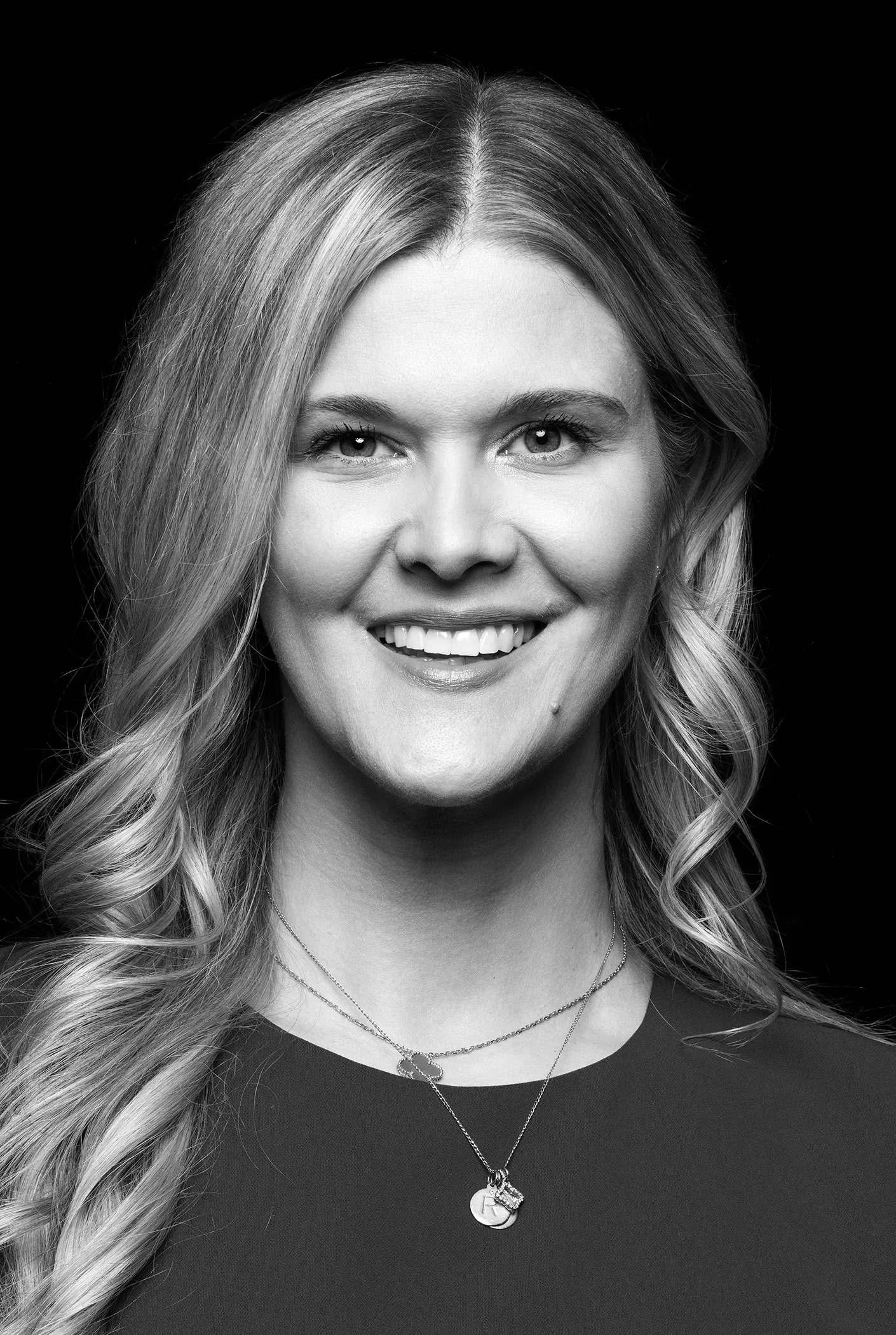

Huberman Lab Essentials are short episodes focused on essential science and protocol takeaways from past full-length Huberman Lab episodes.
Join 1M+ subscribers to get regular emails on neuroscience, health, and science-related tools from Dr. Andrew Huberman.
You'll also get Andrew's exclusive Daily Blueprint. In it, Andrew shares his daily routine. He also shares practical tools and protocols that you can use to stay productive and maximize your health.


